
General relativity and black holes
Gravity as the curvature of spacetime: the field equations, Mercury's 43 arcseconds, the bending of starlight, the Schwarzschild radius, event horizons, the star S2 around Sagittarius A*, and the first picture of a black hole.
Articles
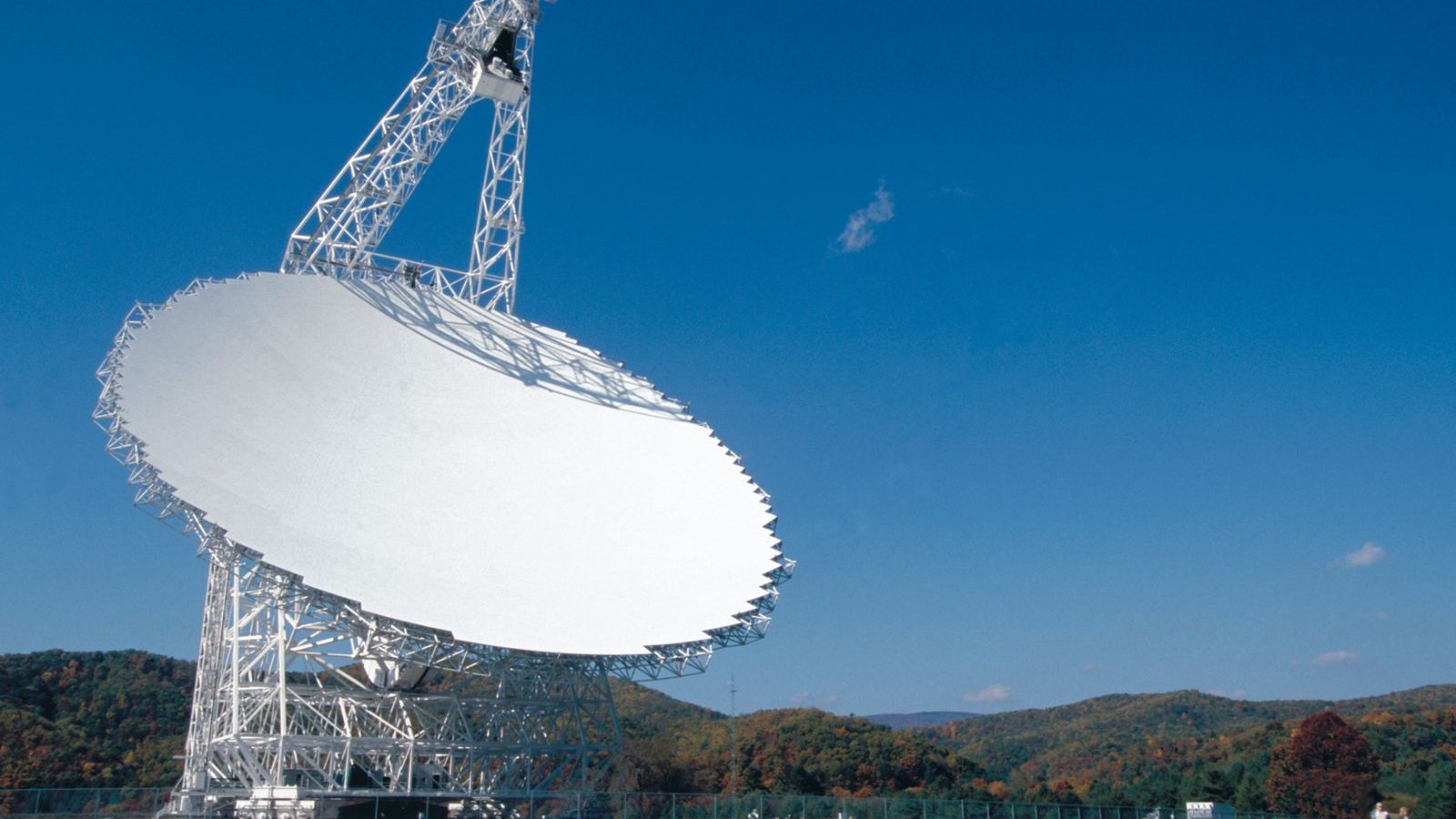
A galaxy-sized detector made of pulsars
LIGO's arms are 4 kilometres long. For gravitational waves with periods of years, the arms are the distances to dozens of pulsars across the Milky Way, and the detector is the pattern of tiny delays in their pulses. In June 2023 that pattern appeared.
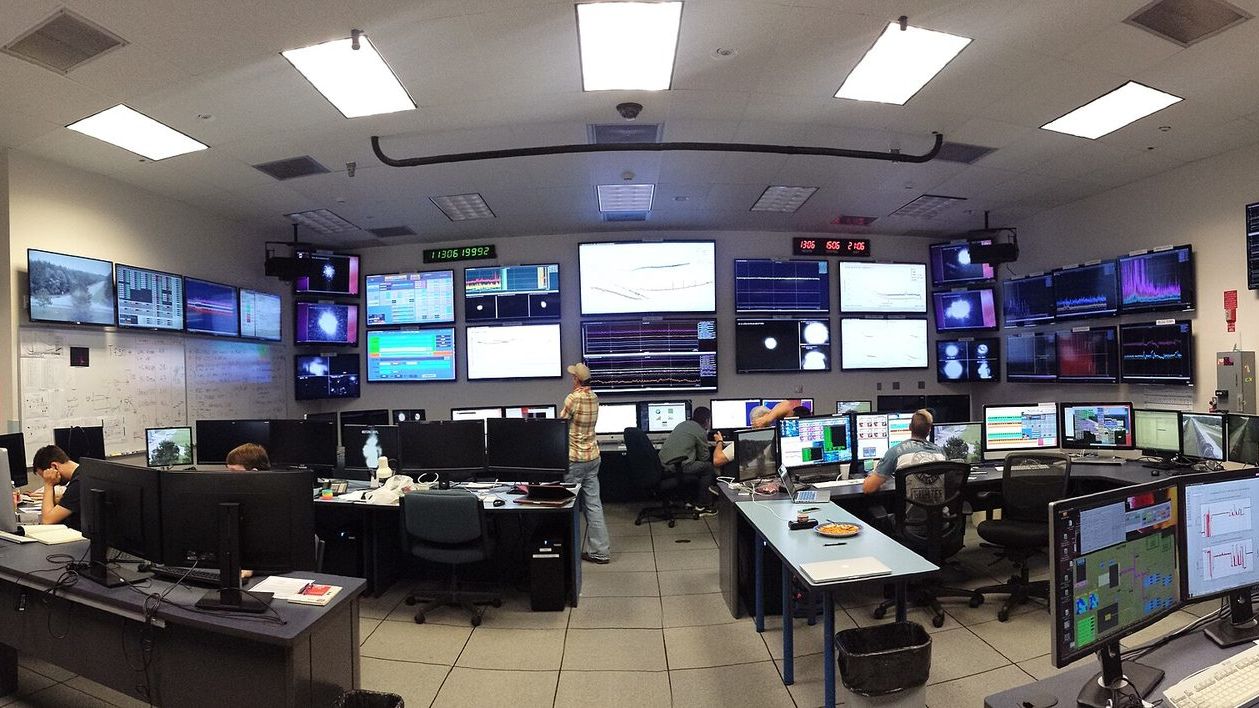
The clearest gravitational wave yet
GW250114, recorded on 14 January 2025, is the same kind of event as the first detection of 2015, two black holes of about 33 solar masses, but three times louder. The extra clarity made two tests possible: Hawking's area theorem and the ringing of a Kerr black hole.
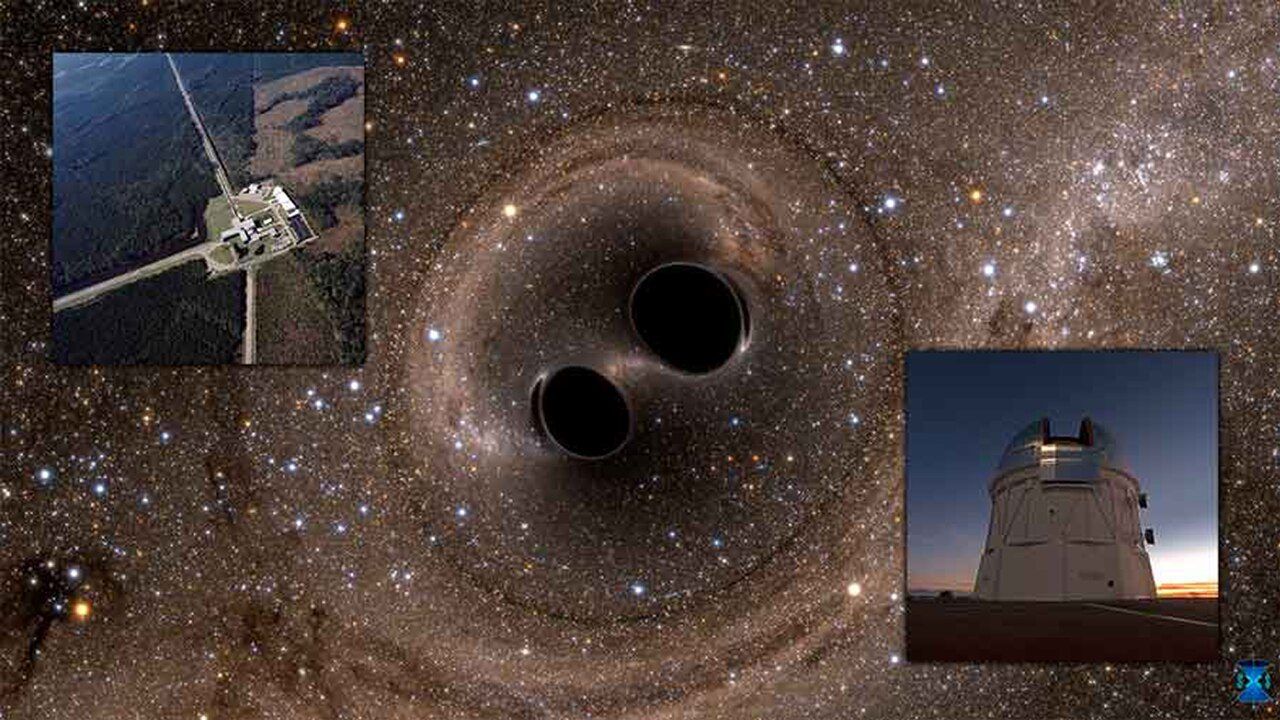
The sound of two black holes merging
The first gravitational wave ever recorded lasted a fifth of a second and rose in pitch from 35 to 250 hertz, notes a cello can play. Read line by line, that chirp gives the masses of two black holes, the energy they lost, and how far away they were.
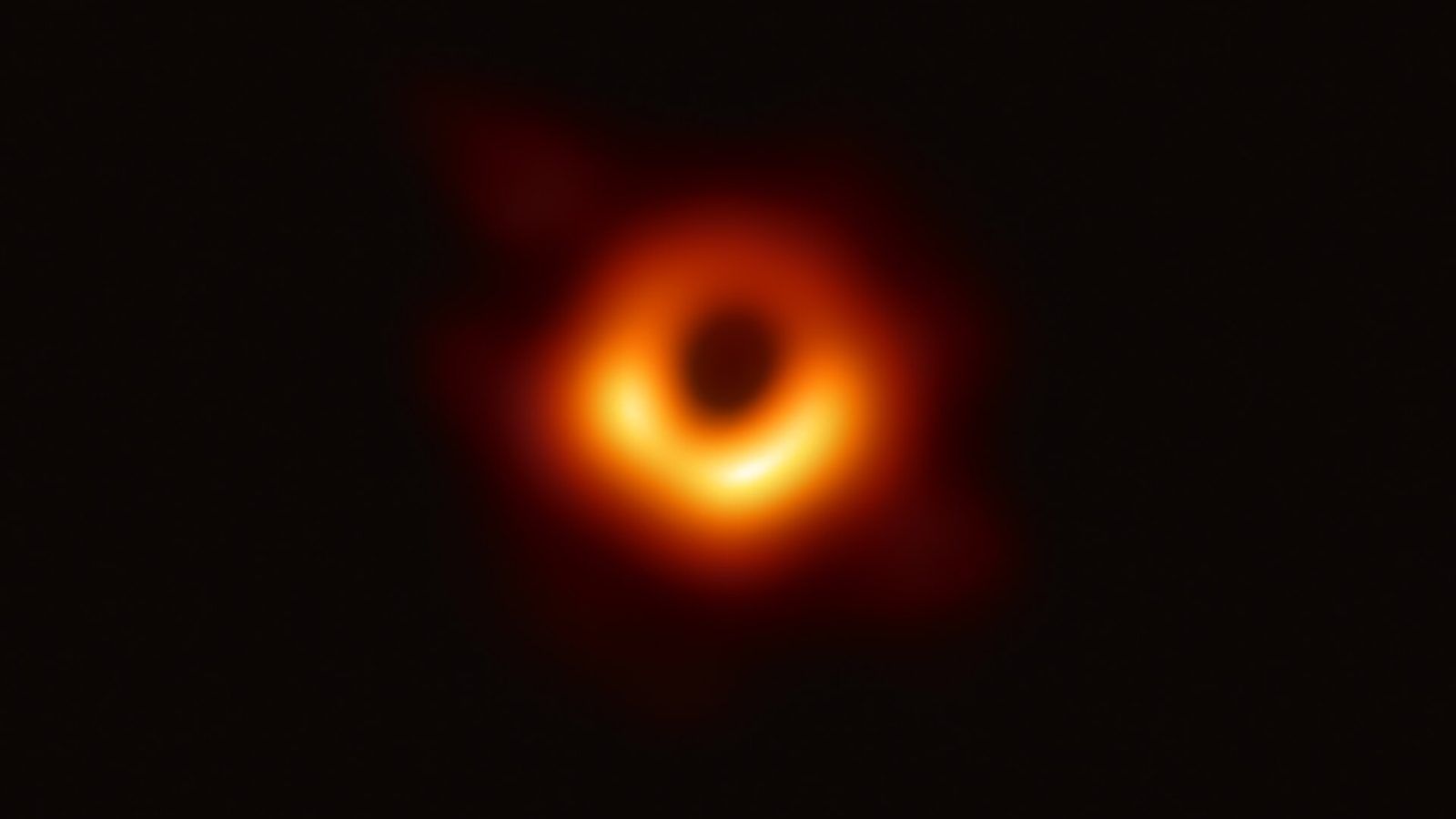
What the first black hole picture shows
The orange ring published on 10 April 2019 is 42 microarcseconds across, the size of a tennis ball on the Moon. Here is what the ring is, why there is a dark patch in the middle, and how eight radio telescopes on four continents took the picture.
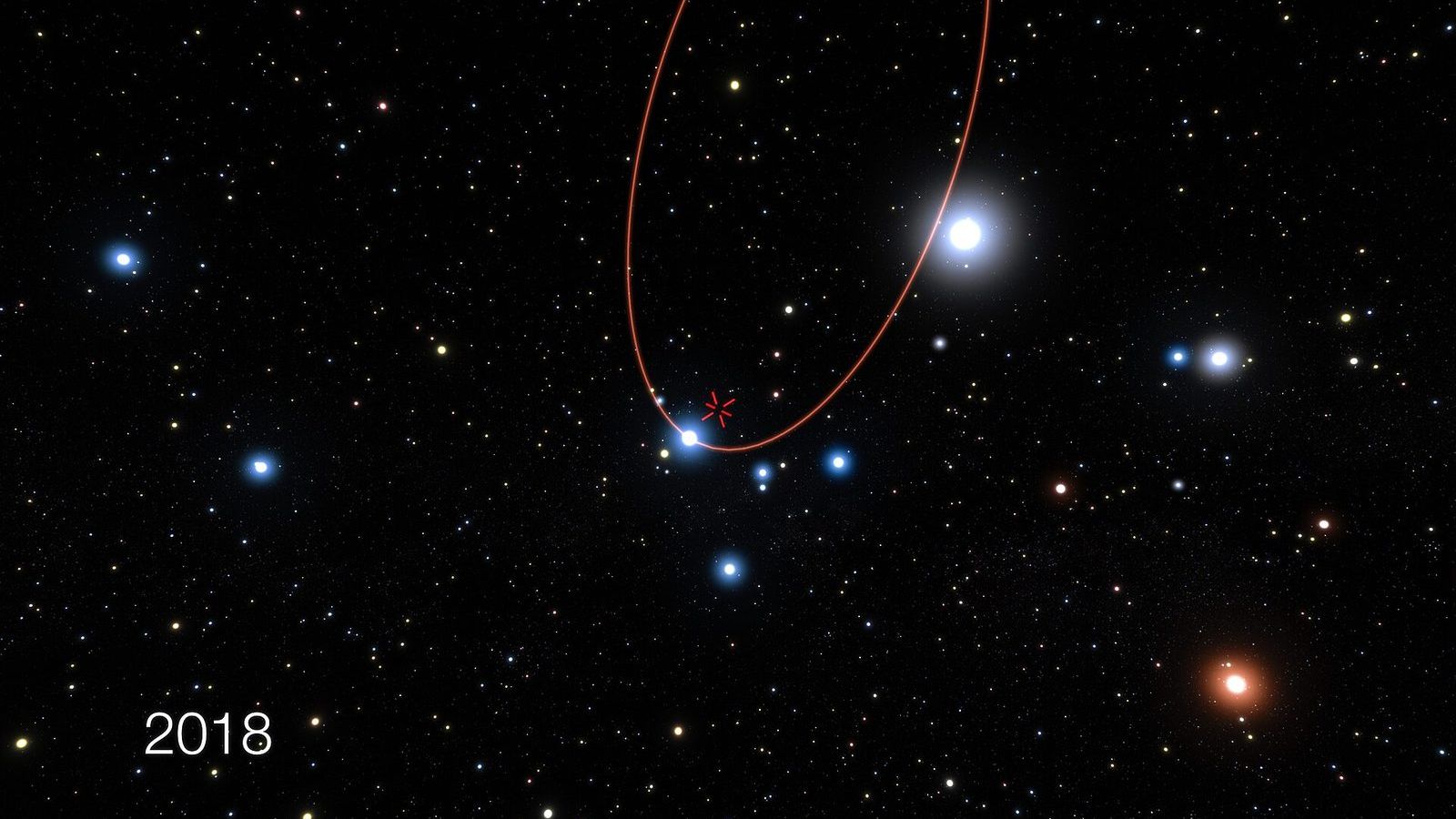
The star that orbits a black hole at 7,650 kilometres per second
The star S2 goes round the black hole at the centre of the Milky Way every 16 years. In May 2018 it passed within 120 astronomical units of it at 2.5 per cent of the speed of light, and its light came back redshifted exactly as general relativity said it would.
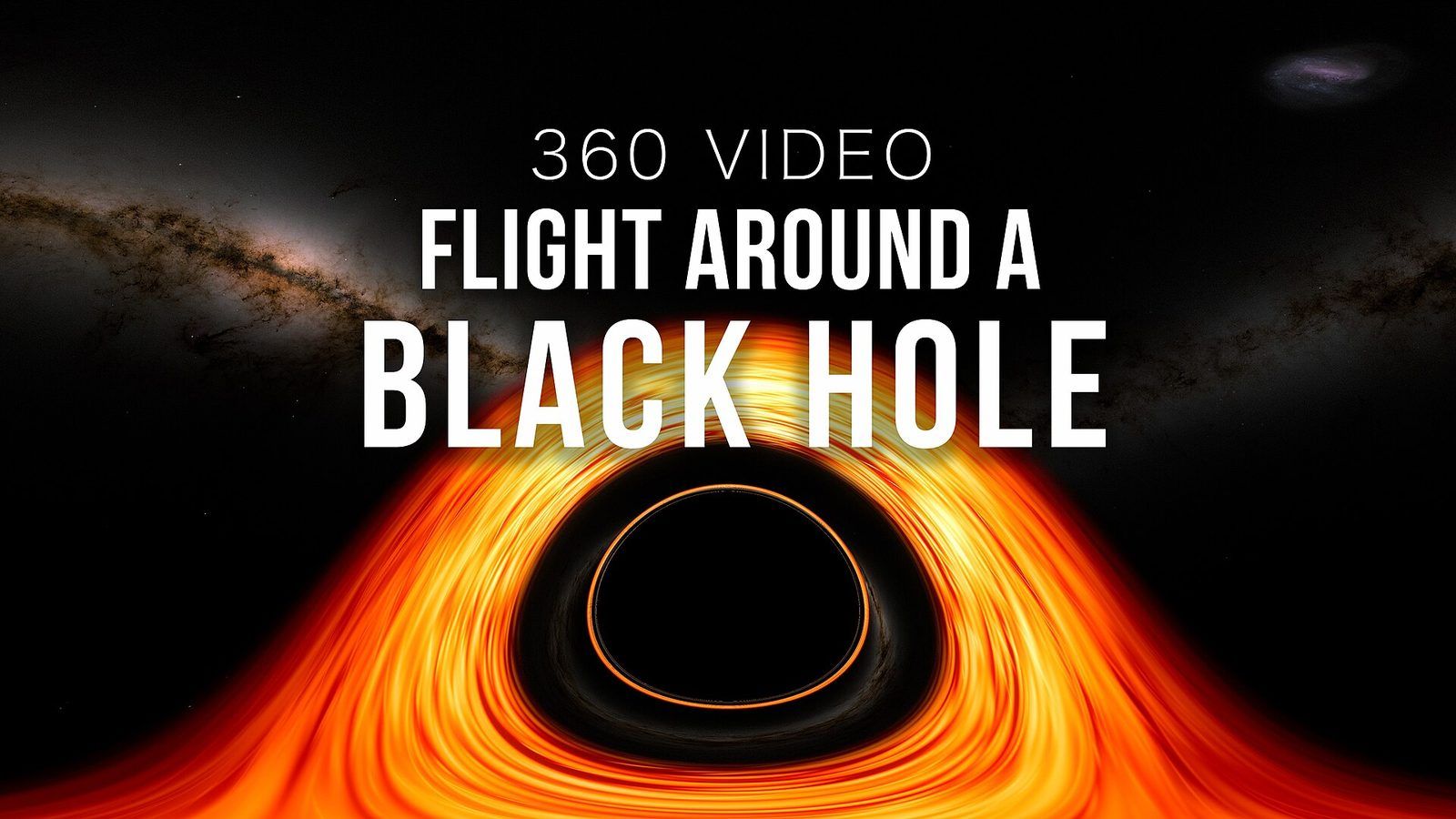
What happens at the event horizon
For the one who falls in, nothing is felt at the horizon of a large black hole, and the centre comes 28 seconds later. For the one who watches from far away, the faller never gets there, and fades from view in minutes.
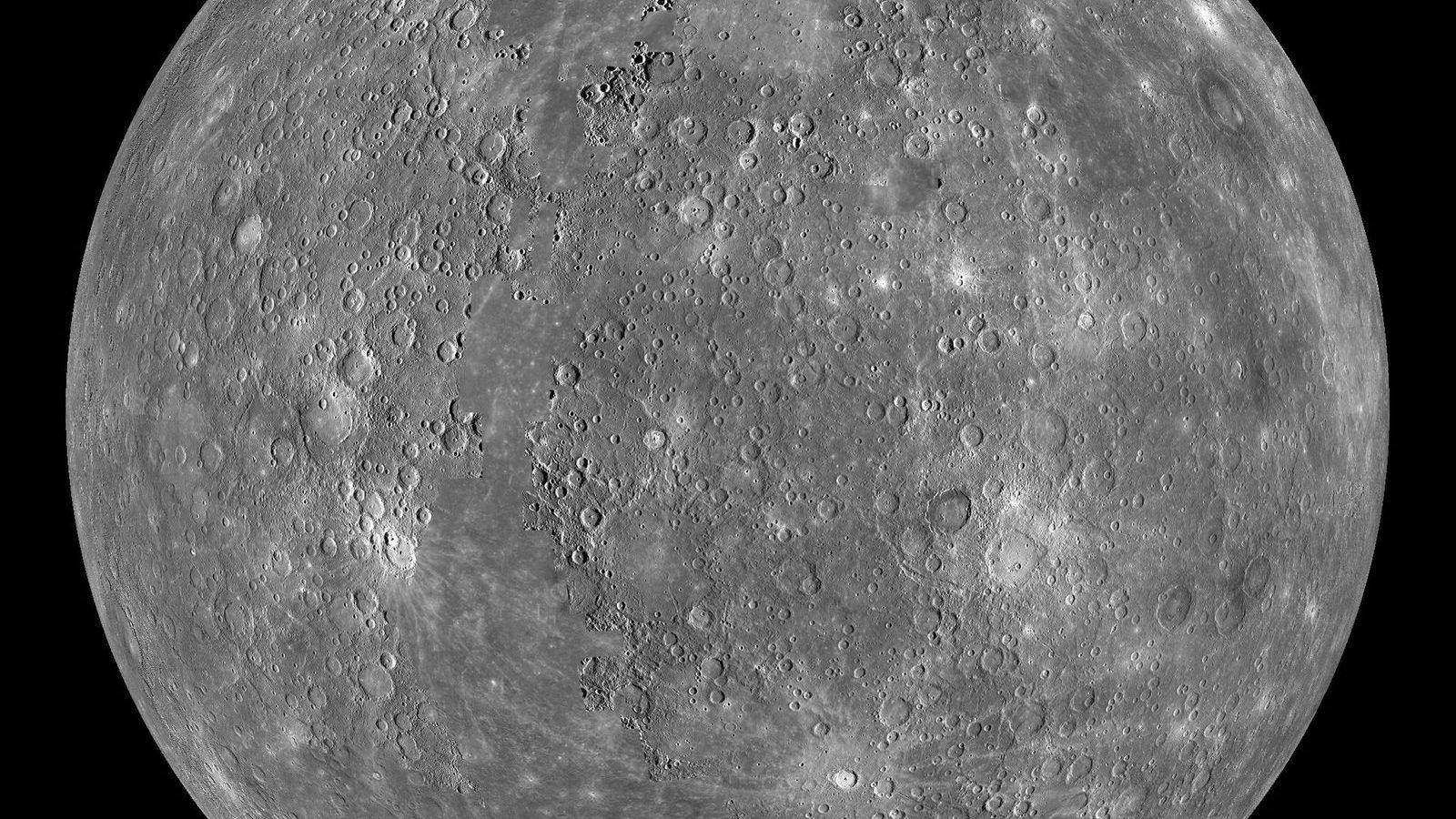
Mercury's 43 arcseconds
In 1859 Le Verrier found that the orbit of Mercury turns a little faster than the pull of the other planets can explain. The excess, 43 arcseconds per century, was unexplained for 56 years, until the Schwarzschild metric gave exactly that number.
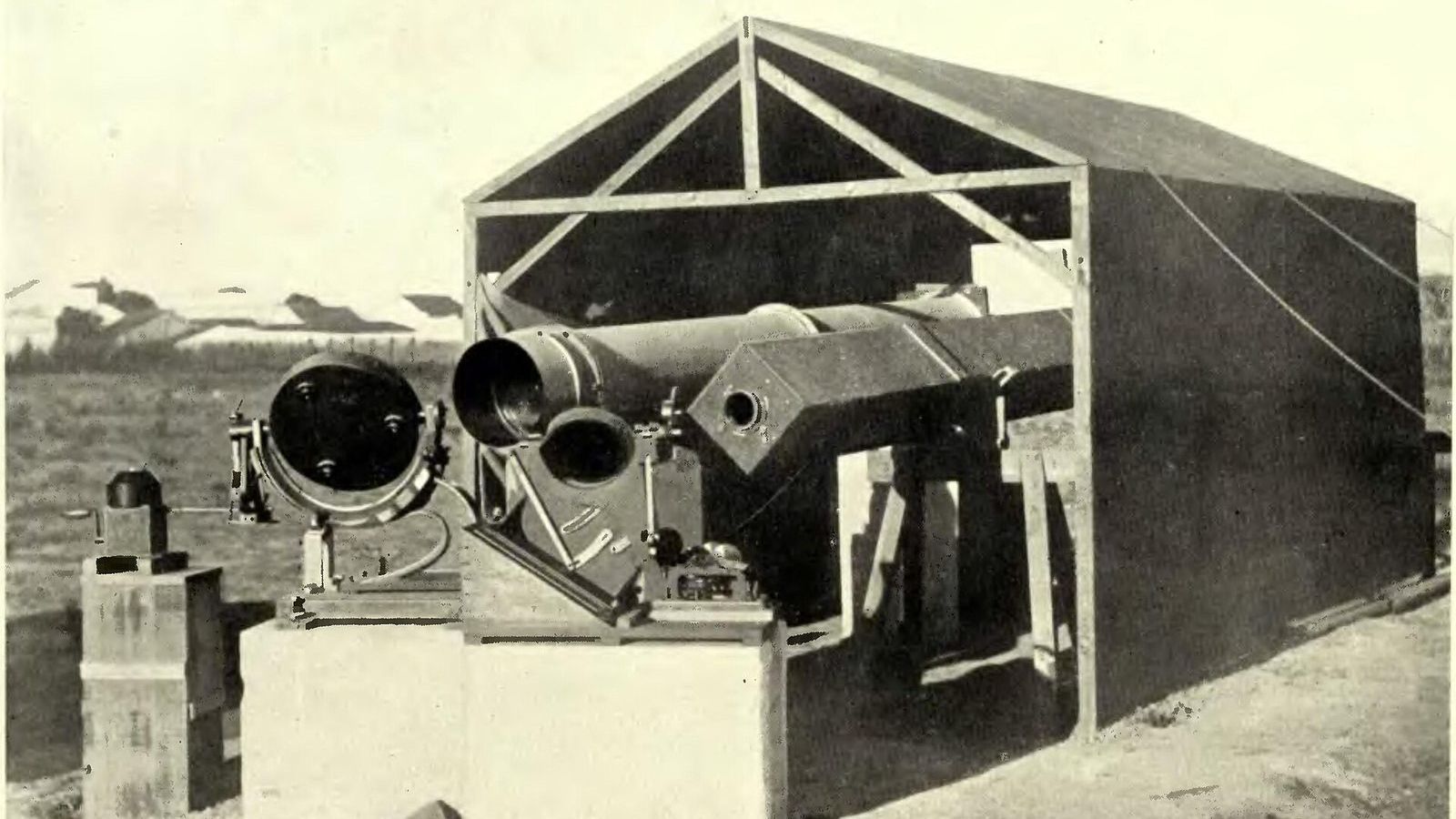
The eclipse that made Einstein famous
On 29 May 1919 two British expeditions photographed stars next to the eclipsed Sun from Brazil and from an island off West Africa. The stars had moved by 1.75 arcseconds, twice what Newton allowed, and on 6 November the result was read out in London.
How Einstein found his equations in November 1915
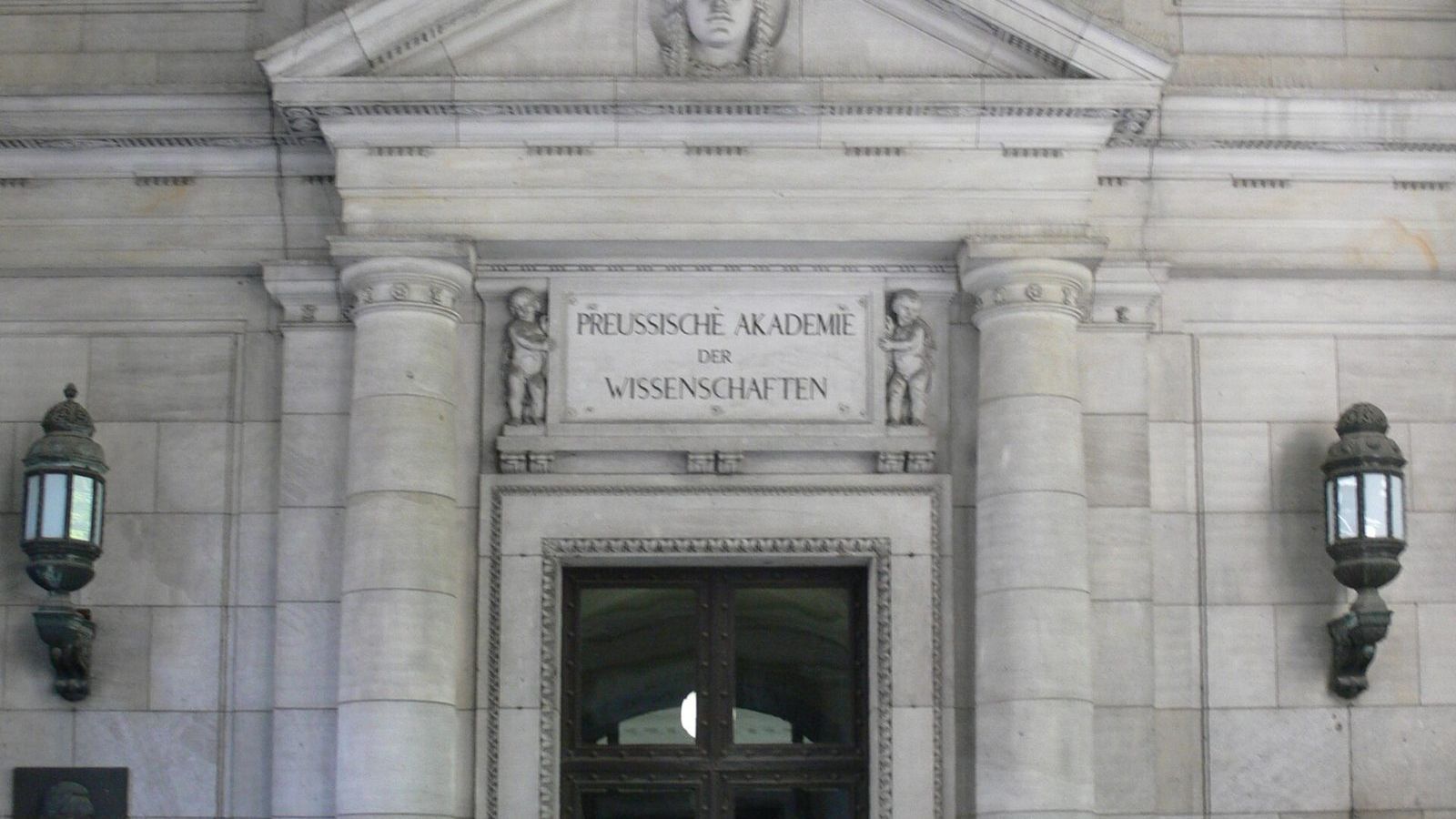
On four Thursdays in November 1915 Einstein read four papers to the Prussian Academy, changed his field equations twice, computed the orbit of Mercury on 18 November, and wrote the final form on 25 November.
Why your phone needs general relativity
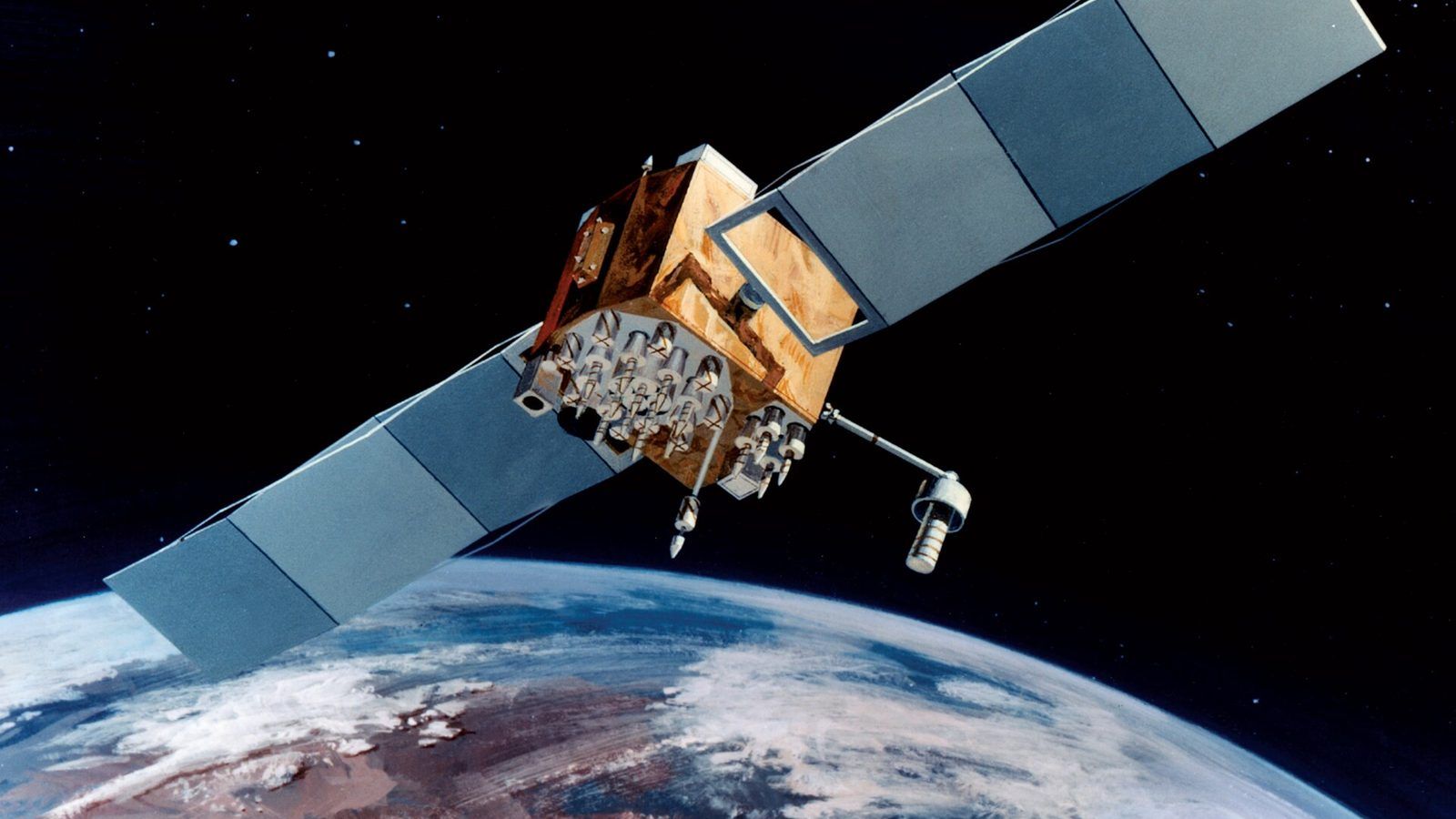
The atomic clocks on the GPS satellites run 38.5 microseconds a day fast compared with clocks on the ground. Without the correction, the position on your map would drift by about 11 kilometres a day.
In the masterclass
The Equivalence Principle and Curved Spacetime
Einstein's happiest thought, gravitational time dilation, and the idea of curved spacetime
Tensors, Metrics, and Geodesics
The language of general relativity, built on curved surfaces
Einstein's Field Equations
Which equation tells spacetime how to curve, and how Einstein found it in November 1915
The Schwarzschild Solution and the Classical Tests
The metric outside a star, and the tests that Einstein proposed
Black Holes and Event Horizons
What happens at the Schwarzschild radius, and how we know black holes are real