
The history of relativity
How the theory was found and tested: the Michelson and Morley experiment of 1887, the papers of 1905, the four Wednesdays of November 1915, the eclipse of 1919, and the people behind them.
Articles
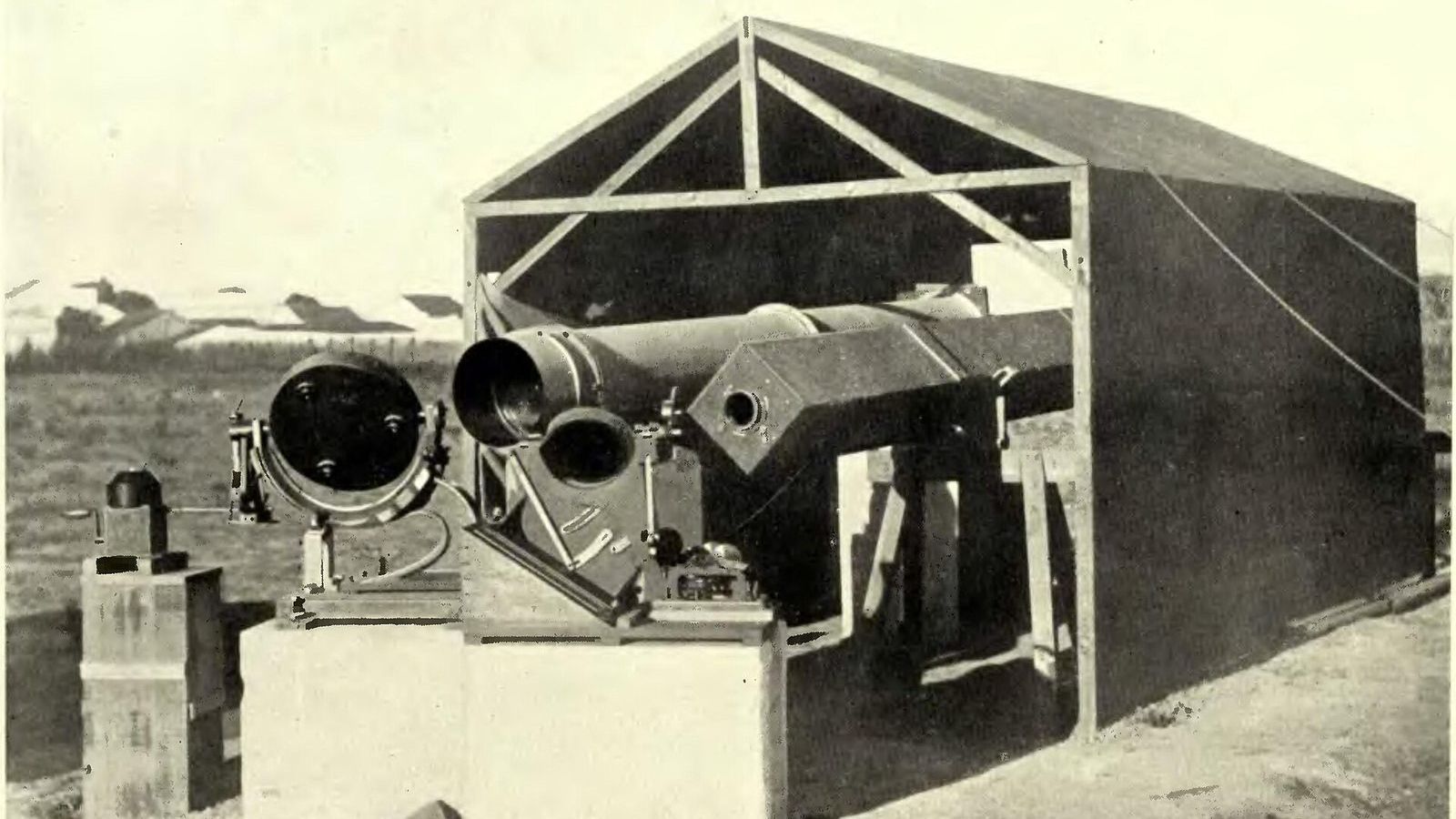
The eclipse that made Einstein famous
On 29 May 1919 two British expeditions photographed stars next to the eclipsed Sun from Brazil and from an island off West Africa. The stars had moved by 1.75 arcseconds, twice what Newton allowed, and on 6 November the result was read out in London.
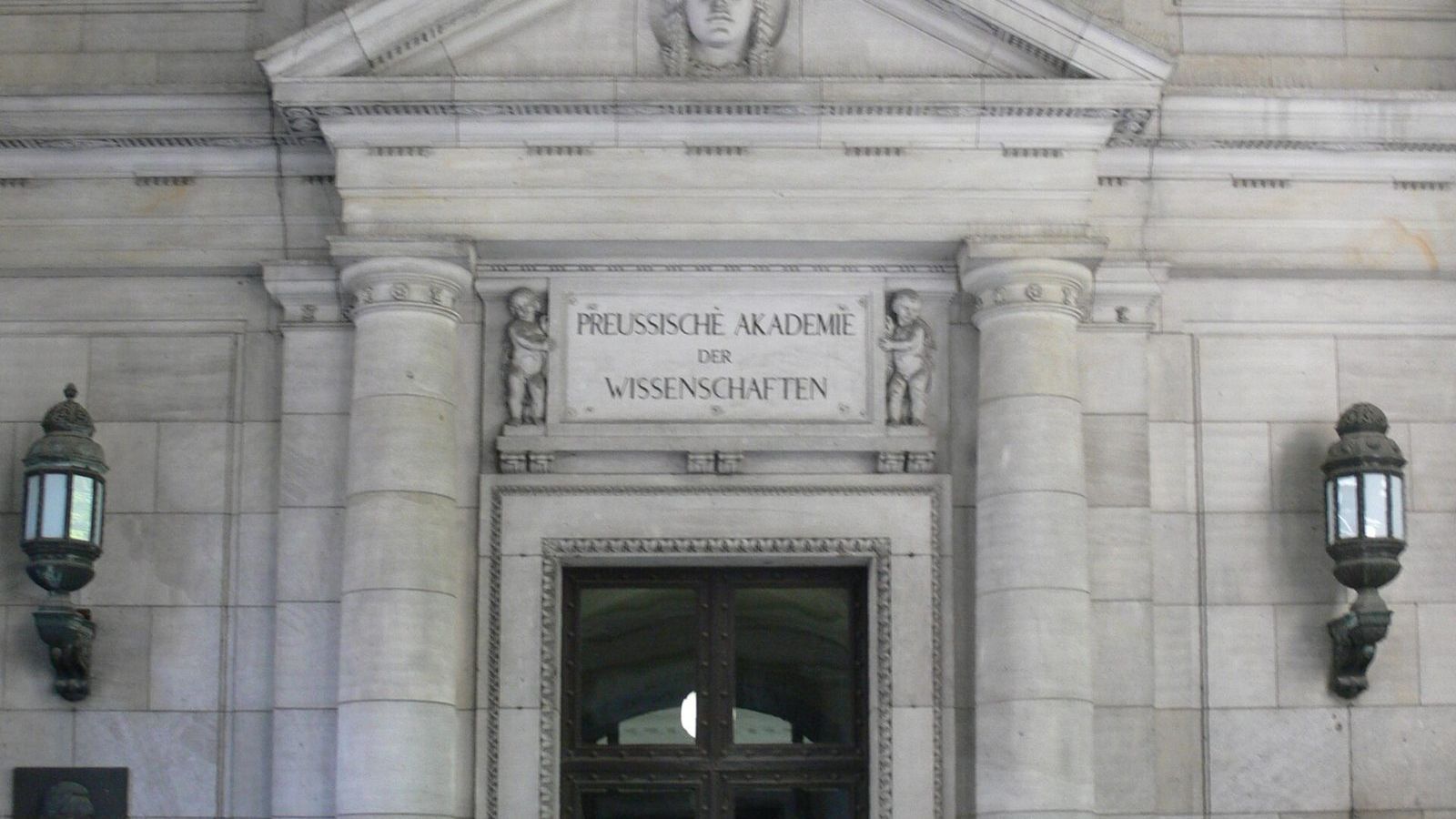
How Einstein found his equations in November 1915
On four Thursdays in November 1915 Einstein read four papers to the Prussian Academy, changed his field equations twice, computed the orbit of Mercury on 18 November, and wrote the final form on 25 November.
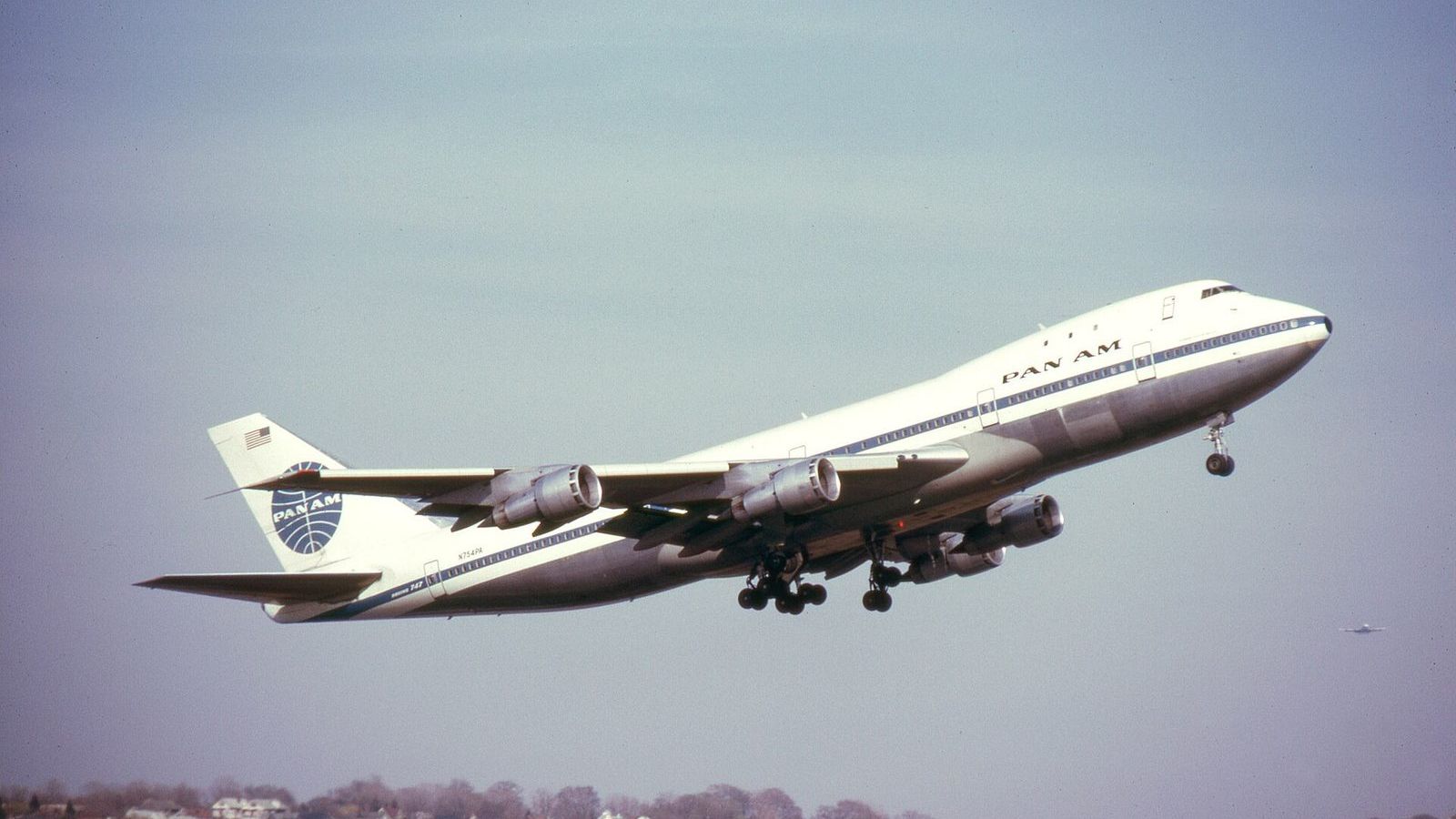
The clocks that flew around the world
In October 1971 four caesium clocks took commercial flights around the world, eastward and then westward. The westbound clocks came back 273 nanoseconds ahead of the clocks that stayed home, and relativity had passed a test that cost 8,000 dollars.
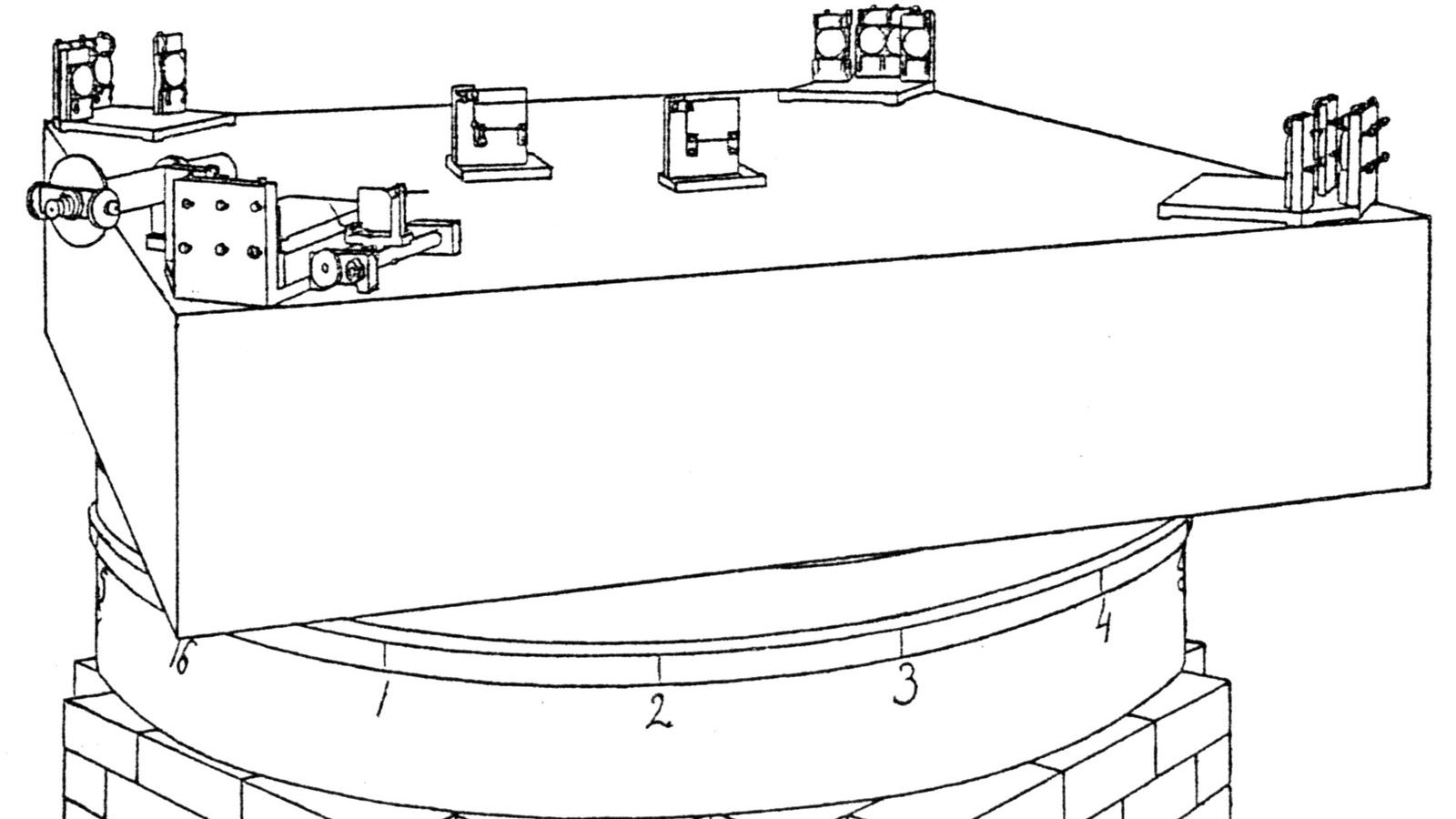
The experiment that failed and changed physics
In July 1887 Michelson and Morley floated a stone slab on mercury in a basement in Cleveland and looked for the motion of the Earth through the ether. They expected a shift of 0.4 of a fringe. They saw nothing.
In the masterclass
Light, the Ether, and the Two Postulates
From Rømer's moons to Einstein's postulates of 1905
Einstein's Field Equations
Which equation tells spacetime how to curve, and how Einstein found it in November 1915
The Schwarzschild Solution and the Classical Tests
The metric outside a star, and the tests that Einstein proposed