
Special relativity explained
Why moving clocks run slow and moving rulers shrink, what the Lorentz transformation does, how the twin paradox and the barn and pole puzzle are resolved, and what E = mc² says and does not say. These articles go with the units on the two postulates, time dilation, the Lorentz transformation, and spacetime diagrams.
Articles
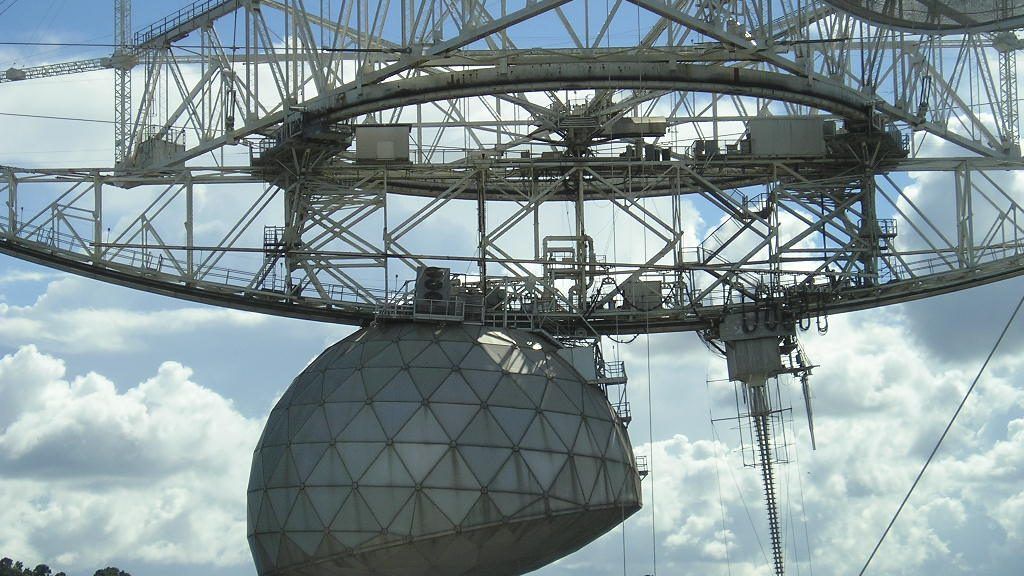
How we have known gravitational waves exist since 1974
Forty-one years before LIGO heard anything, a pulsar found at Arecibo in the summer of 1974 was already losing energy to gravitational waves at exactly the rate Einstein's formula predicts. Its orbit has been shrinking, on schedule, ever since.

The clocks that flew around the world
In October 1971 four caesium clocks took commercial flights around the world, eastward and then westward. The westbound clocks came back 273 nanoseconds ahead of the clocks that stayed home, and relativity had passed a test that cost 8,000 dollars.
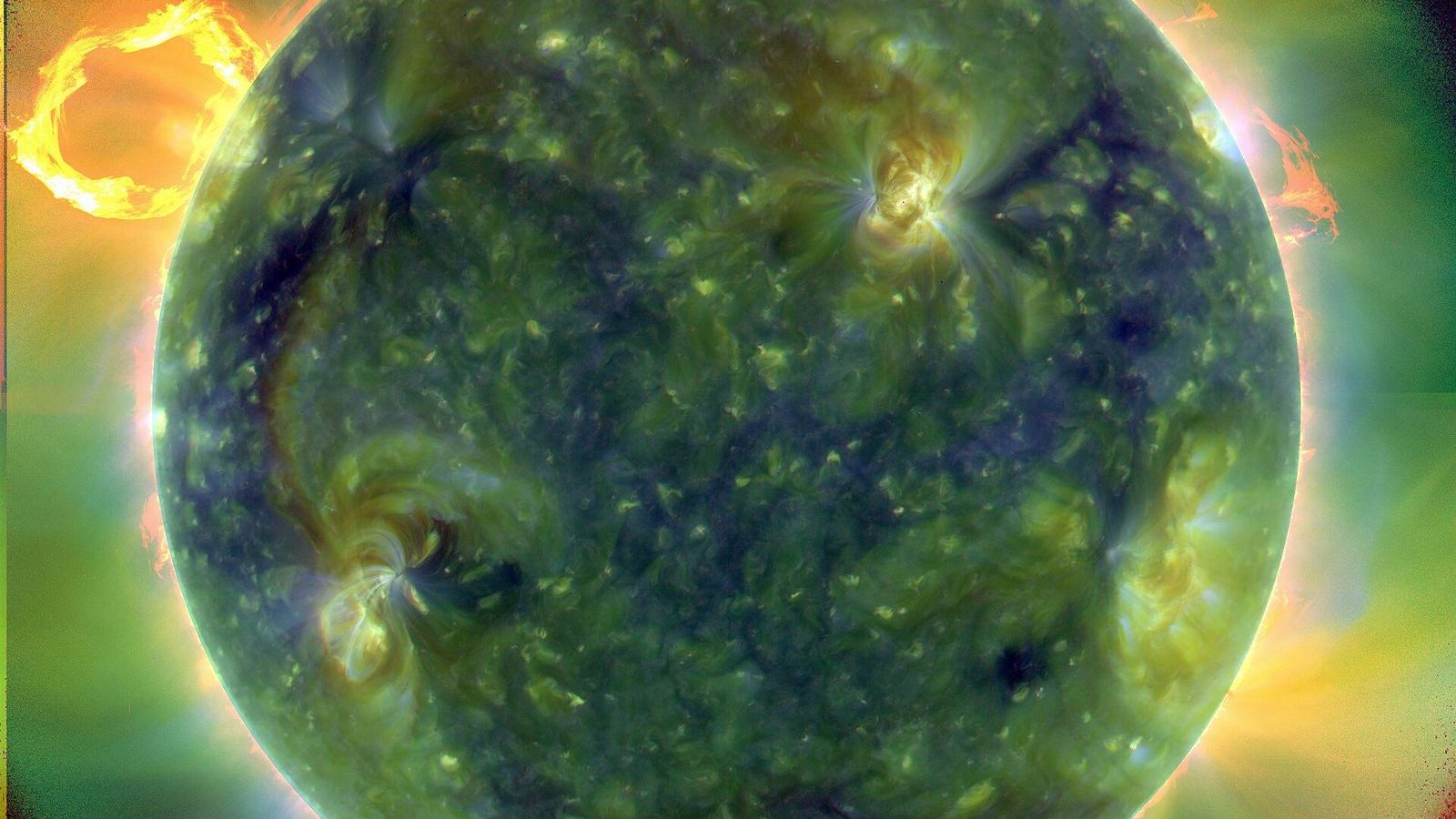
What E = mc² actually says
One gram of anything holds 90 trillion joules, the Sun loses four million tonnes a second, and a battery weighs more when charged. The equation says mass is a form of energy, and it does not say several things people think it says.

Can a 20 metre pole fit in a 10 metre barn?
At 0.866 c the pole is contracted to 10 metres and fits in the barn with both doors shut. From the pole, the barn is 5 metres long. Both are right, and the doors are the clue.

The twin paradox is not a paradox
One twin flies to a star six light years away at 0.6 c and comes back 16 years older. The other has aged 20 years. Both agree on the result, and the reason is the turnaround.

Why moving clocks run slow, with one triangle
A clock made of two mirrors and a pulse of light, one right-angled triangle, and Pythagoras give the Lorentz factor in five lines. The muons that reach the ground show that the clock is not a trick.
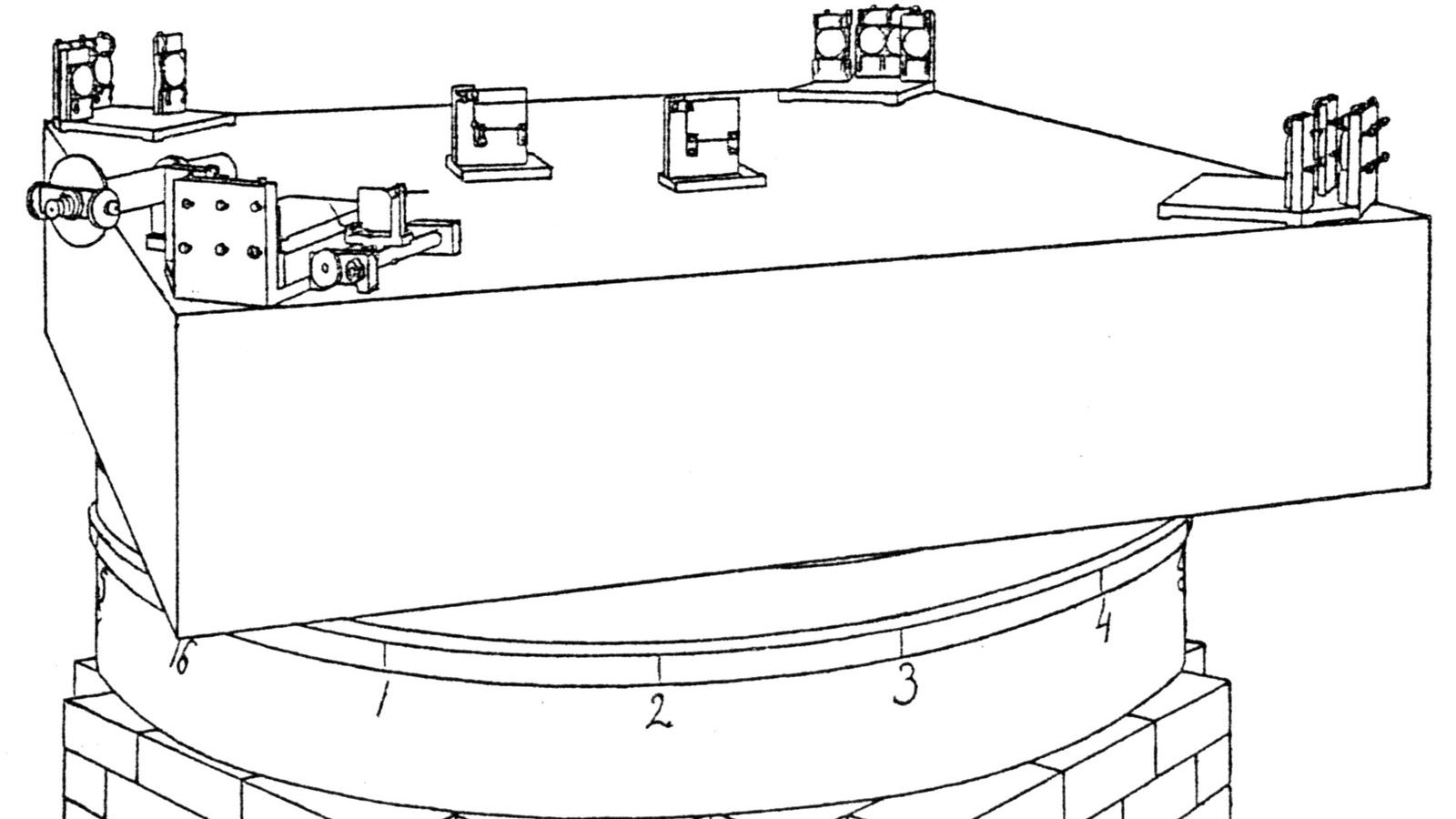
The experiment that failed and changed physics
In July 1887 Michelson and Morley floated a stone slab on mercury in a basement in Cleveland and looked for the motion of the Earth through the ether. They expected a shift of 0.4 of a fringe. They saw nothing.
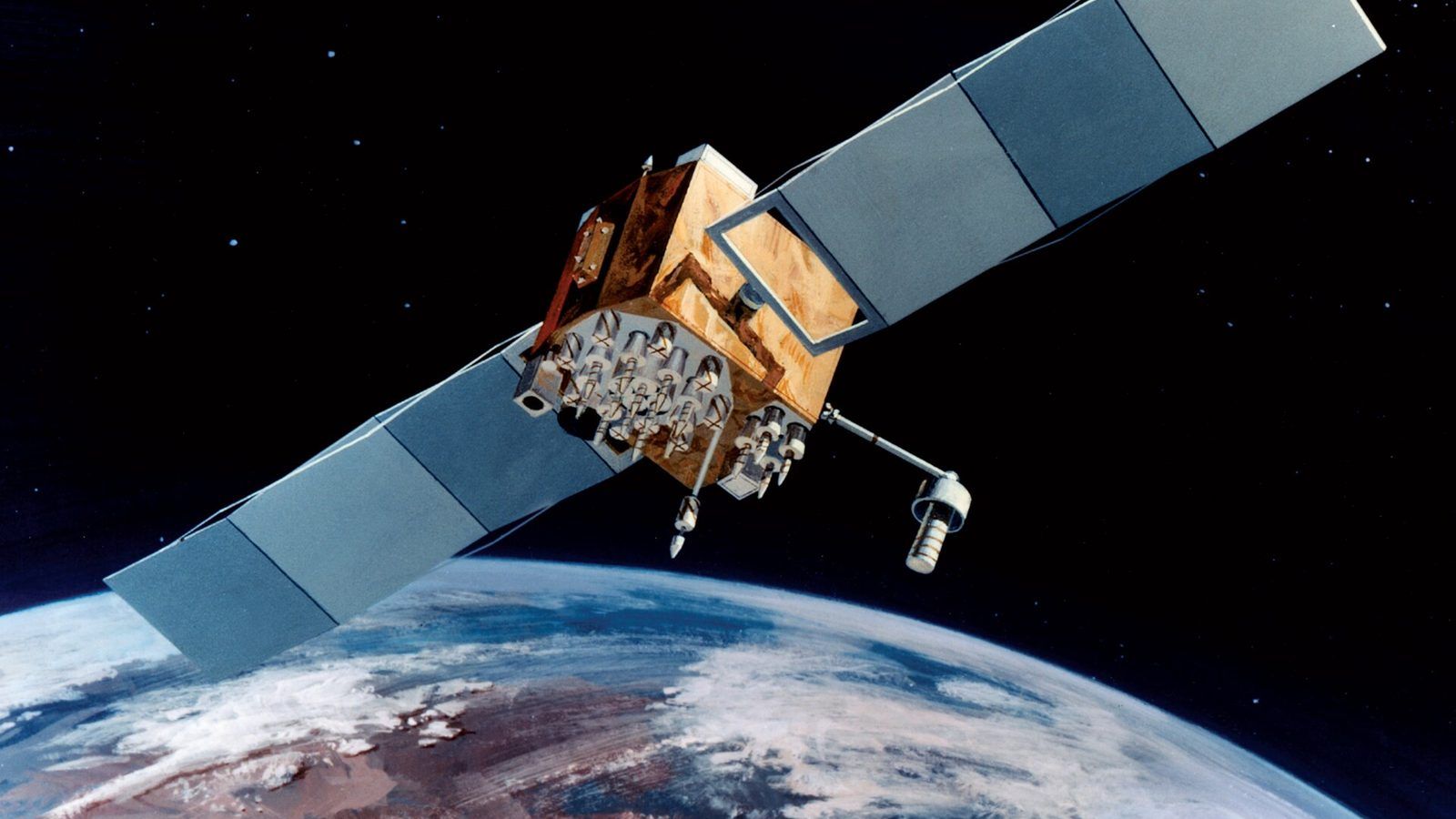
Why your phone needs general relativity
The atomic clocks on the GPS satellites run 38.5 microseconds a day fast compared with clocks on the ground. Without the correction, the position on your map would drift by about 11 kilometres a day.
In the masterclass
Light, the Ether, and the Two Postulates
From Rømer's moons to Einstein's postulates of 1905
Simultaneity, Time Dilation, and Length Contraction
Why moving clocks run slow and moving rulers shrink, derived from a light clock
The Lorentz Transformation and the Addition of Velocities
One set of four equations for every effect of Unit 3
Spacetime Diagrams and the Invariant Interval
Minkowski's picture of relativity and the quantity every observer agrees on
The Twin Paradox and Accelerated Motion
Why the travelling twin is younger, and what a rocket at g can reach
Relativistic Energy, Momentum, and Mass-Energy Equivalence
Why momentum and energy must change, and where E = mc² comes from