
Gravitational waves
Ripples in spacetime and how they are heard: the Hulse-Taylor pulsar, GW150914 and GW170817, how LIGO measures a four-hundredth of a proton, the pulsar timing arrays, and the space mission LISA.
Articles
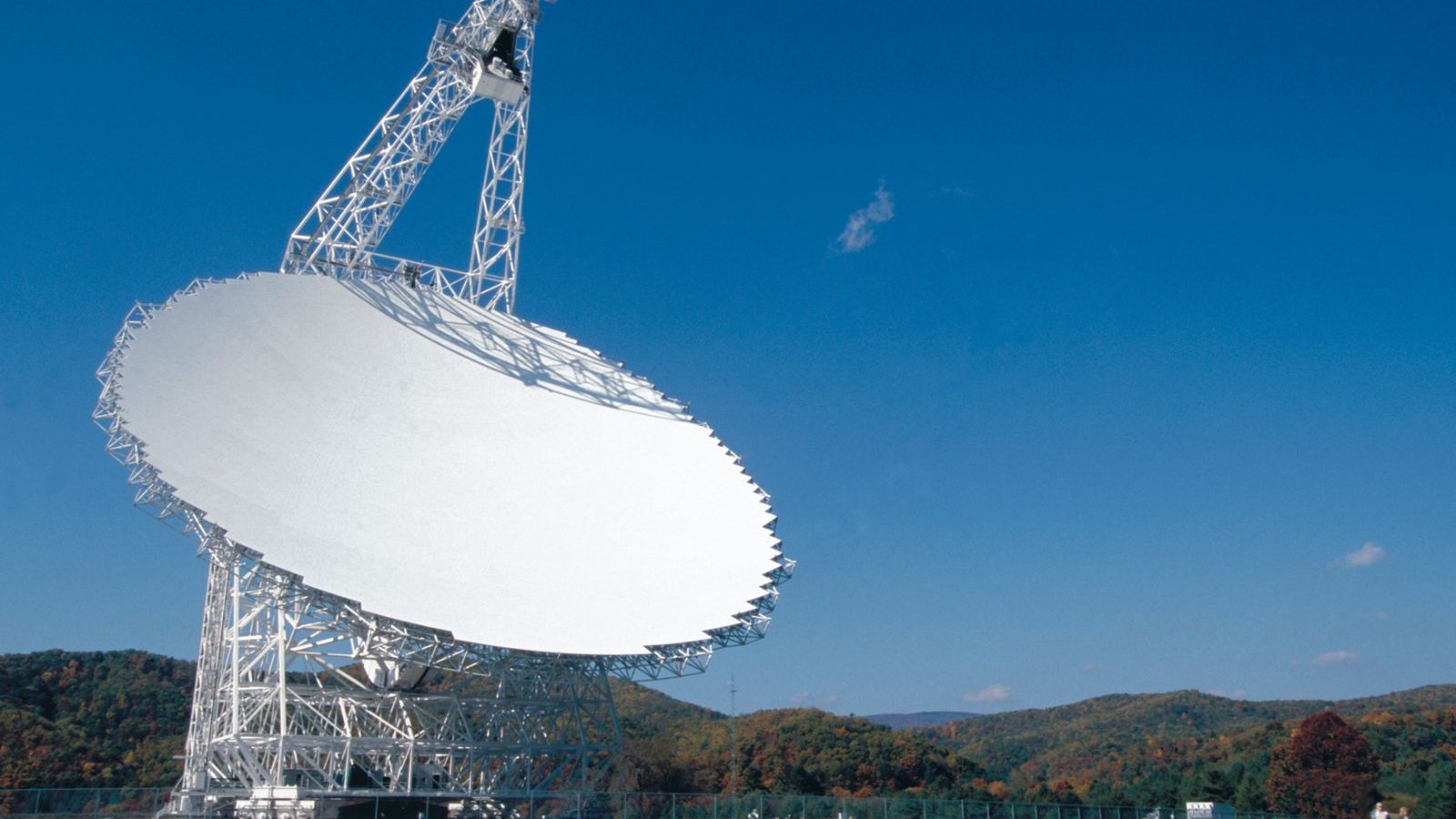
A galaxy-sized detector made of pulsars
LIGO's arms are 4 kilometres long. For gravitational waves with periods of years, the arms are the distances to dozens of pulsars across the Milky Way, and the detector is the pattern of tiny delays in their pulses. In June 2023 that pattern appeared.
The clearest gravitational wave yet
GW250114, recorded on 14 January 2025, is the same kind of event as the first detection of 2015, two black holes of about 33 solar masses, but three times louder. The extra clarity made two tests possible: Hawking's area theorem and the ringing of a Kerr black hole.
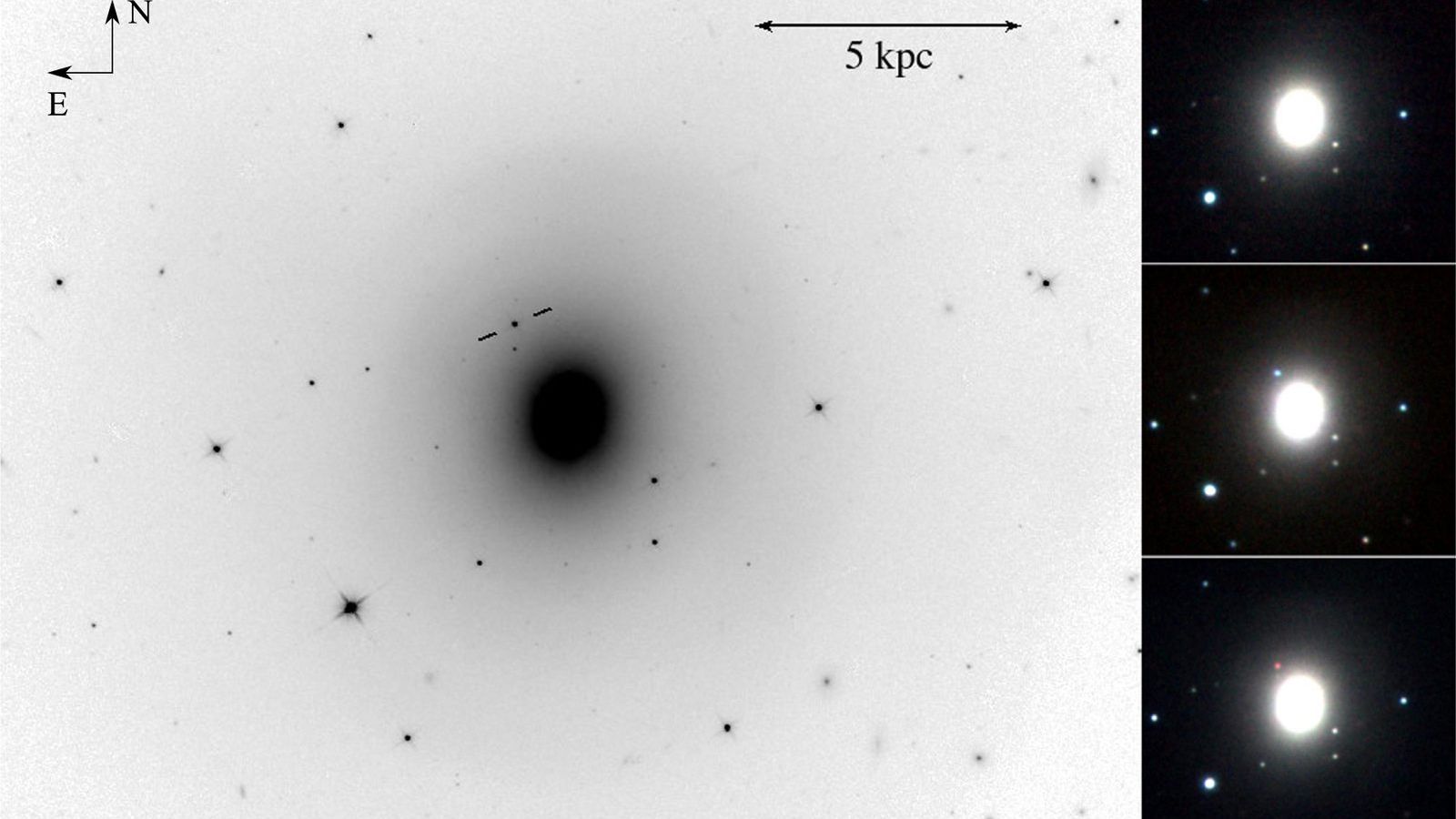
The 1.7 seconds that tied light to gravity
On 17 August 2017 two neutron stars merged 130 million light years away. The gravitational wave arrived first, the gamma rays 1.7 seconds later, and the glow that followed was the first time anyone watched gold being made.
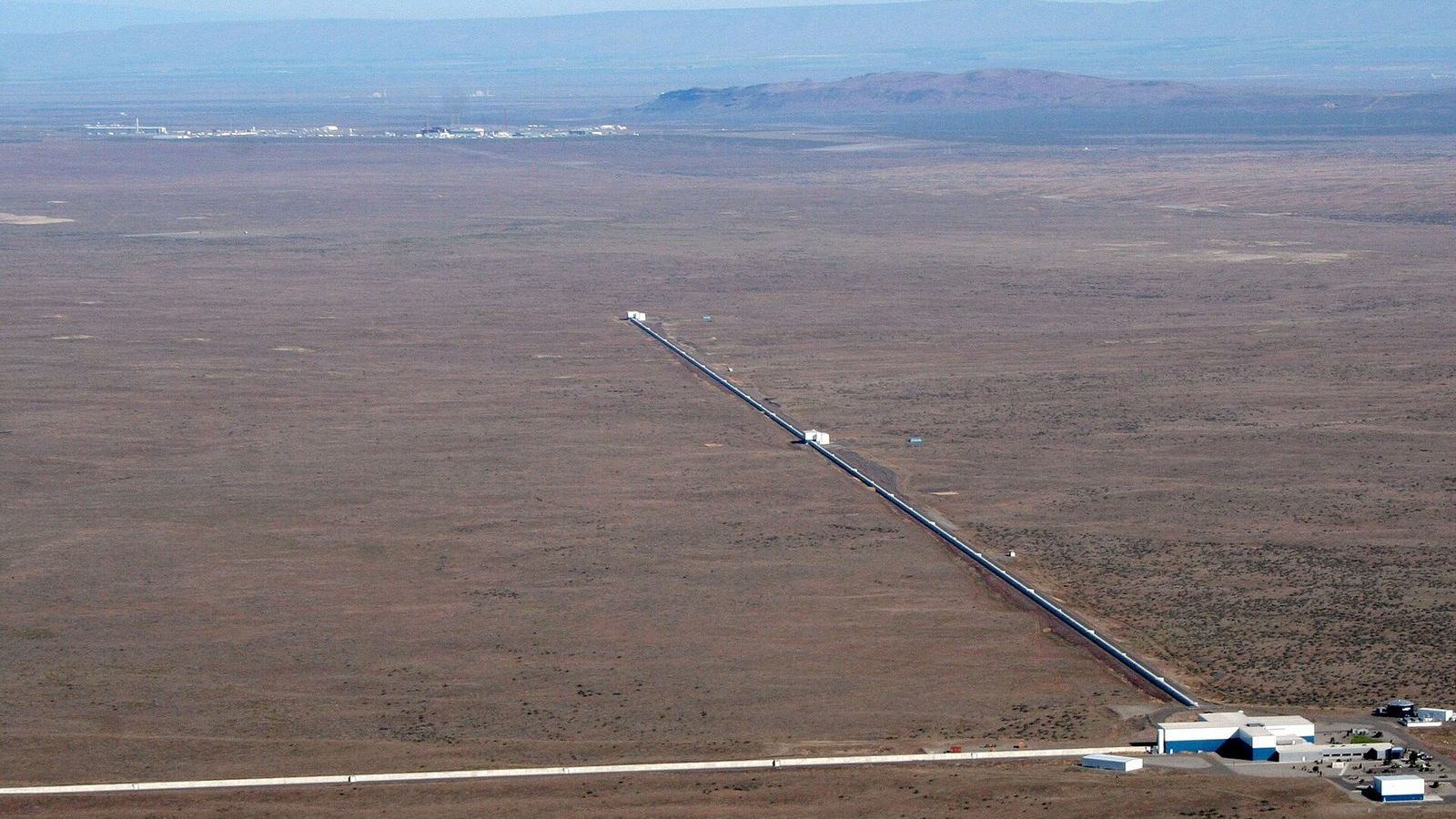
How LIGO measures a four-hundredth of a proton
A gravitational wave changes the length of LIGO's 4 kilometre arms by a few billionths of a billionth of a metre. The trick is an instrument Michelson built in 1887, light bounced 300 times, mirrors hung on four pendulums, and a lot of statistics.
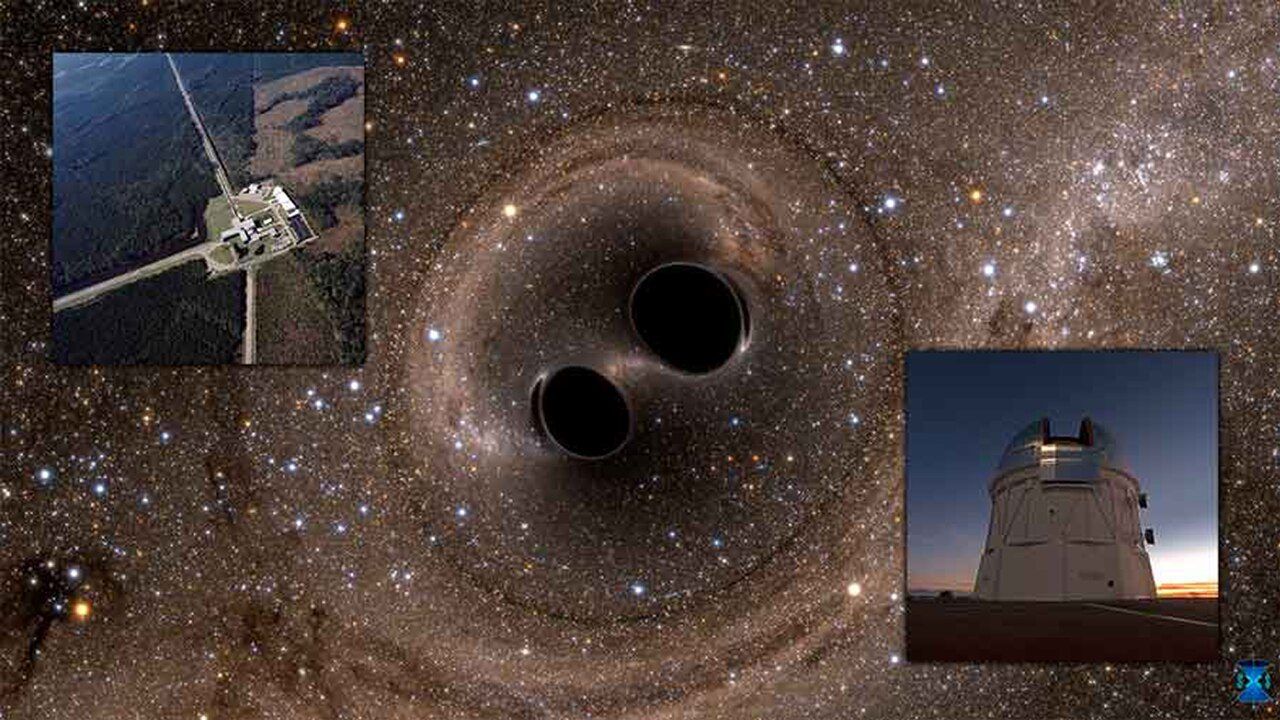
The sound of two black holes merging
The first gravitational wave ever recorded lasted a fifth of a second and rose in pitch from 35 to 250 hertz, notes a cello can play. Read line by line, that chirp gives the masses of two black holes, the energy they lost, and how far away they were.
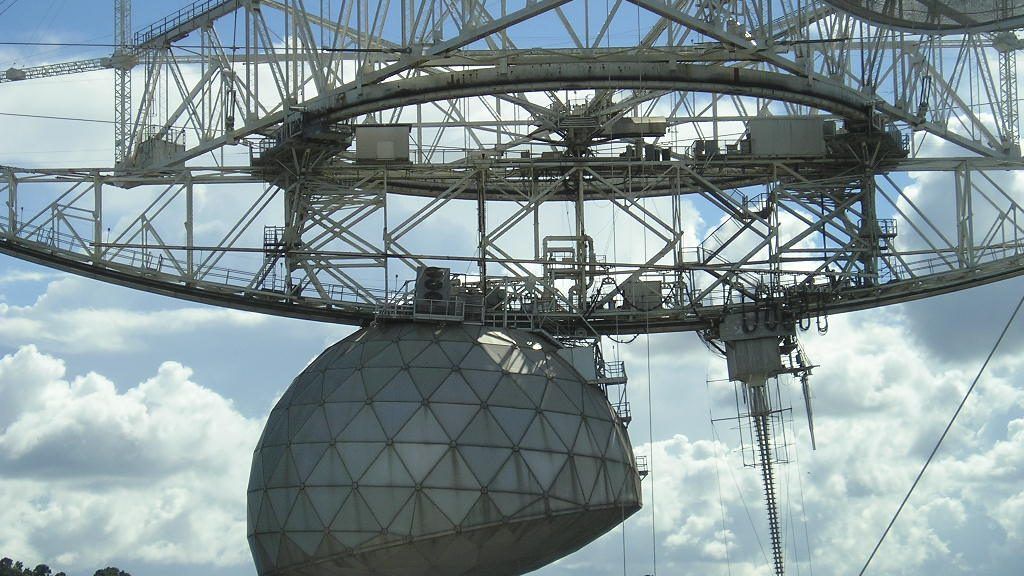
How we have known gravitational waves exist since 1974
Forty-one years before LIGO heard anything, a pulsar found at Arecibo in the summer of 1974 was already losing energy to gravitational waves at exactly the rate Einstein's formula predicts. Its orbit has been shrinking, on schedule, ever since.
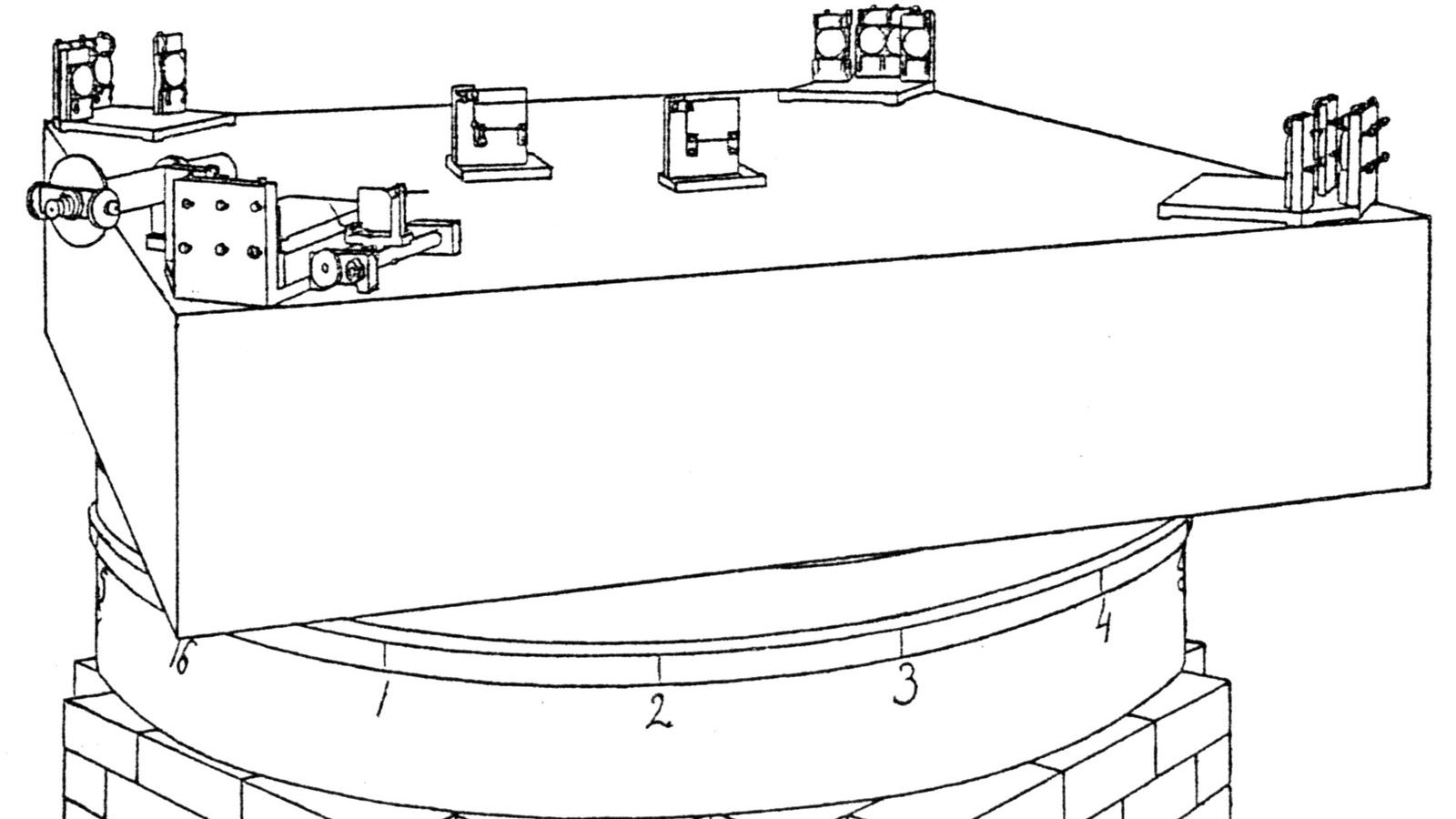
The experiment that failed and changed physics
In July 1887 Michelson and Morley floated a stone slab on mercury in a basement in Cleveland and looked for the motion of the Earth through the ether. They expected a shift of 0.4 of a fringe. They saw nothing.
In the masterclass
Linearized Gravity and Gravitational Waves
Flat spacetime plus a ripple, and what the ripple does to a ring of masses
Merging Black Holes and Neutron Stars
The chirp of a compact binary, GW150914 read line by line, and the kilonova of 2017
Laser Interferometer Observatories
How a strain of one part in a thousand million million million is measured
Pulsar Timing Arrays and Space Detectors
A galaxy-sized detector, the evidence of 2023, and LISA