
Research presented in the program
Established physics is the foundation. The research spotlights show what is being built on it now: each unit presents the published work of a leading physicist and links to the original paper.
The scientists named here are not contributors to the ToR Masterclass, are not affiliated with it, and have not endorsed it. The program presents and explains their published research, with references to the original papers.
Research spotlights
Holger Müller
Precision tests of relativity with optical resonators and atom interferometers
Gerald Gwinner
Precision tests of special relativity with stored ions
Alan Kostelecký
Theoretical physics: Lorentz and CPT symmetry and their experimental tests
Peter Schattschneider
Electron microscopy and the visualization of relativistic motion
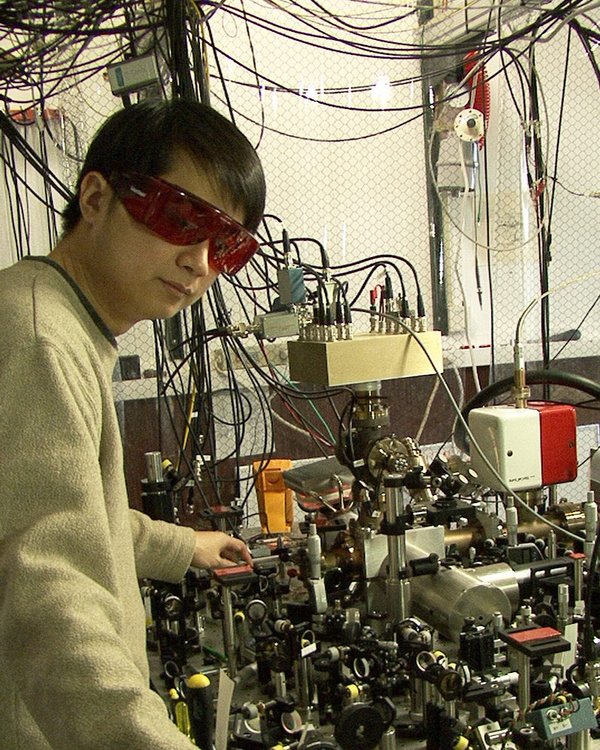
Chin-Wen Chou
Optical atomic clocks and precision measurement
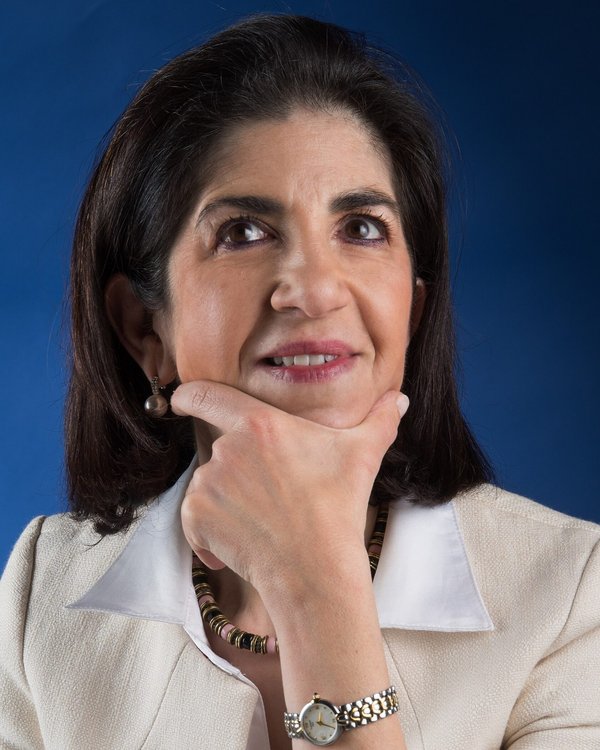
Fabiola Gianotti
Experimental particle physics at the Large Hadron Collider
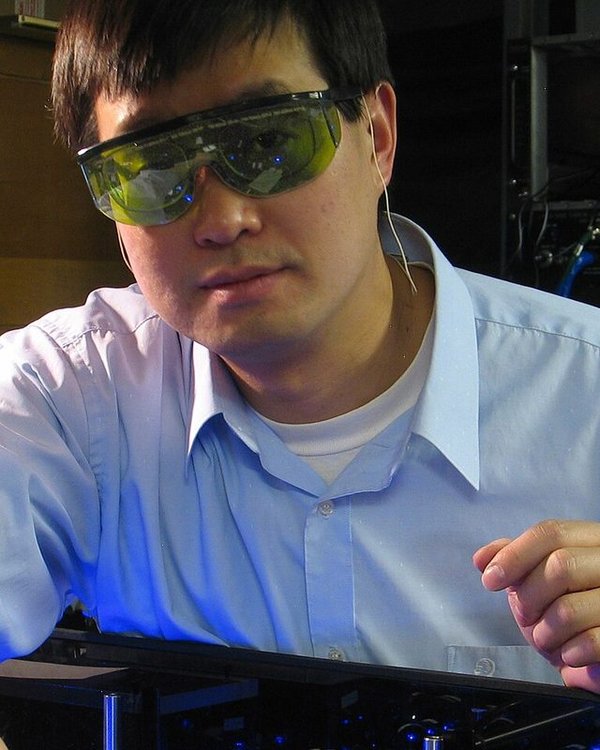
Jun Ye
Optical lattice clocks and precision measurement
Gilles Métris
Space geodesy and tests of the equivalence principle
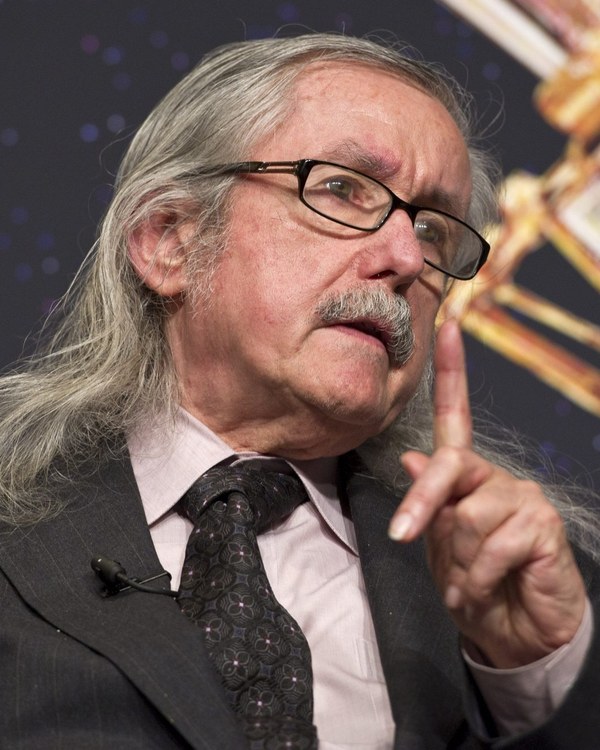
Francis Everitt
Experimental gravitation, the Gravity Probe B mission
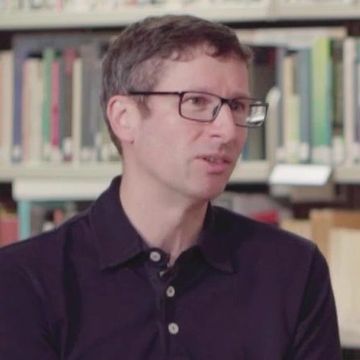
Frans Pretorius
Numerical relativity and the dynamics of black holes
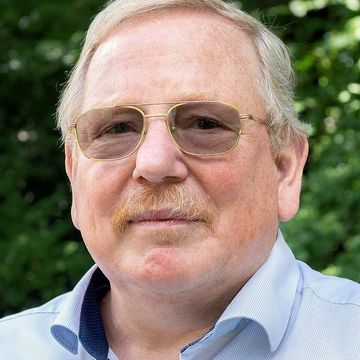
Reinhard Genzel
Galactic centre astronomy and tests of general relativity near Sagittarius A*
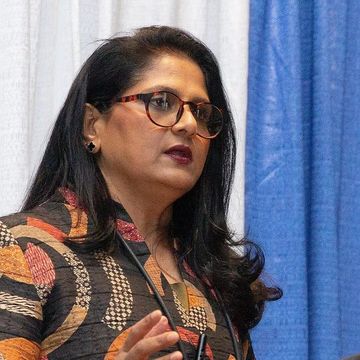
Priyamvada Natarajan
Theoretical astrophysics: gravitational lensing, dark matter, and the first black holes
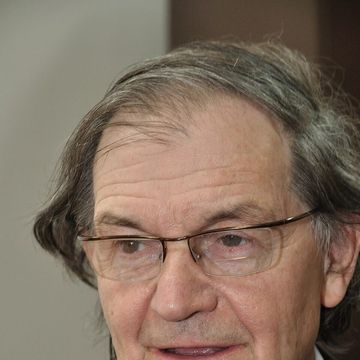
Roger Penrose
Mathematical physics: the global structure of spacetime
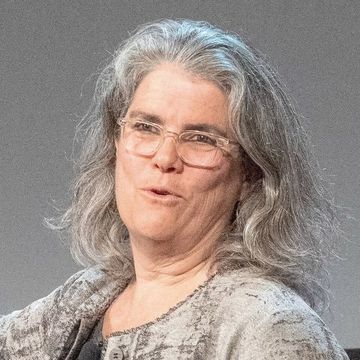
Andrea Ghez
Observational astrophysics: the stars around the Galactic centre black hole
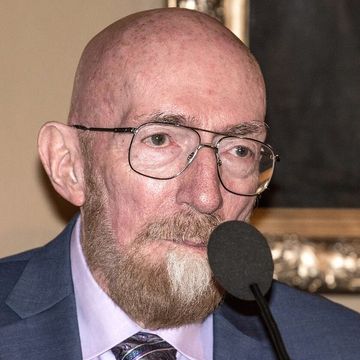
Kip Thorne
Theoretical physics: gravitational waves and black holes
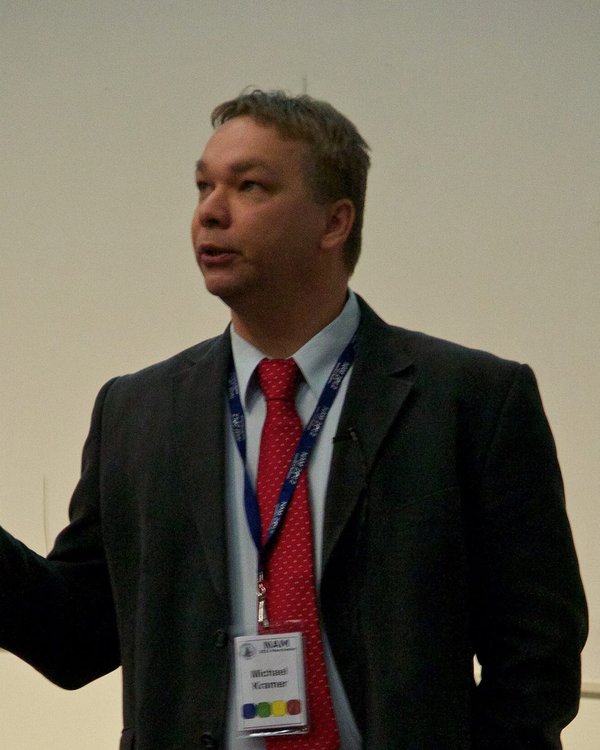
Michael Kramer
Radio astronomy: pulsars as tests of gravity
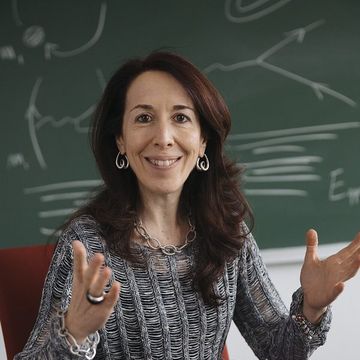
Alessandra Buonanno
Gravitational-wave theory: the two-body problem in general relativity
Brian Metzger
Theoretical astrophysics: neutron star mergers and kilonovae
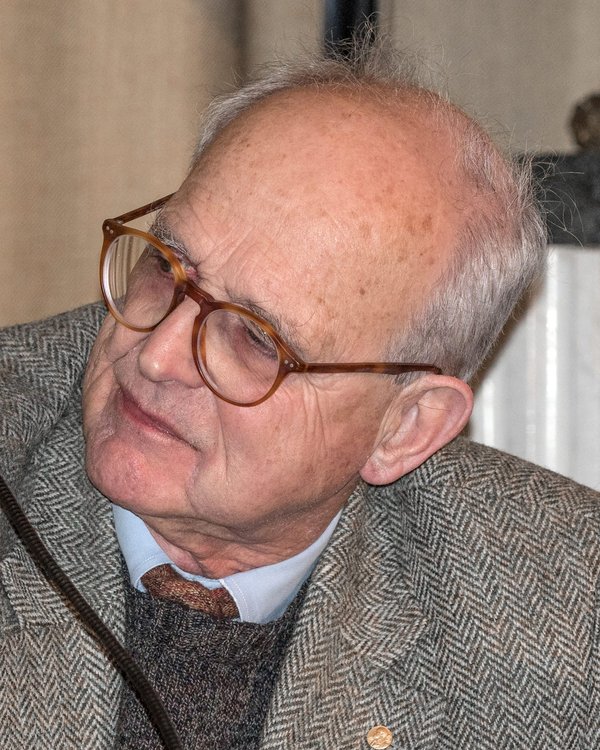
Rainer Weiss
Experimental physics: the laser interferometer gravitational-wave detector
Nergis Mavalvala
Quantum measurement and gravitational-wave detection
Maura McLaughlin
Radio astronomy: pulsars and nanohertz gravitational waves
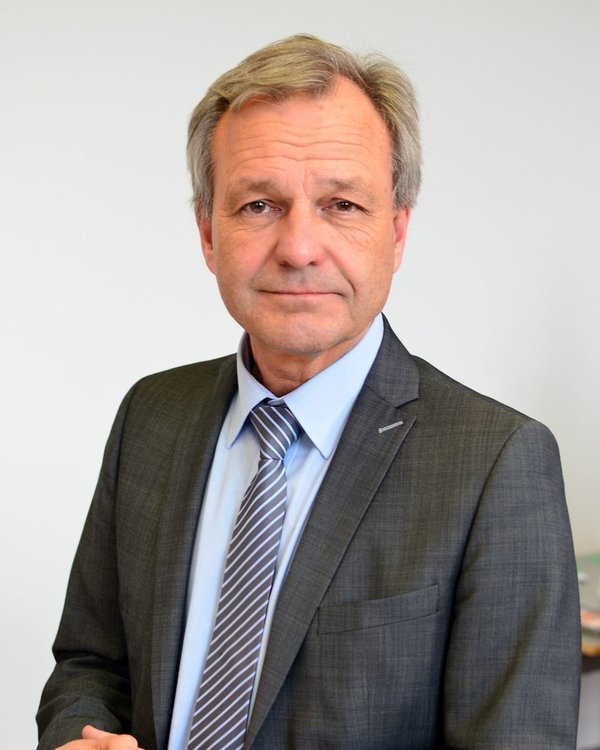
Karsten Danzmann
Experimental gravitational physics: LISA, LISA Pathfinder, and GEO600
Science is something people do
A formula can look as if it had always been there. The spotlights show that the questions are open, that the methods of each unit are in use today, and who is using them. For every unit you also receive a reading list with further papers that are free to read.