
ToR Masterclass Blog
Explanations, background, and advice for curious students.
Latest articles
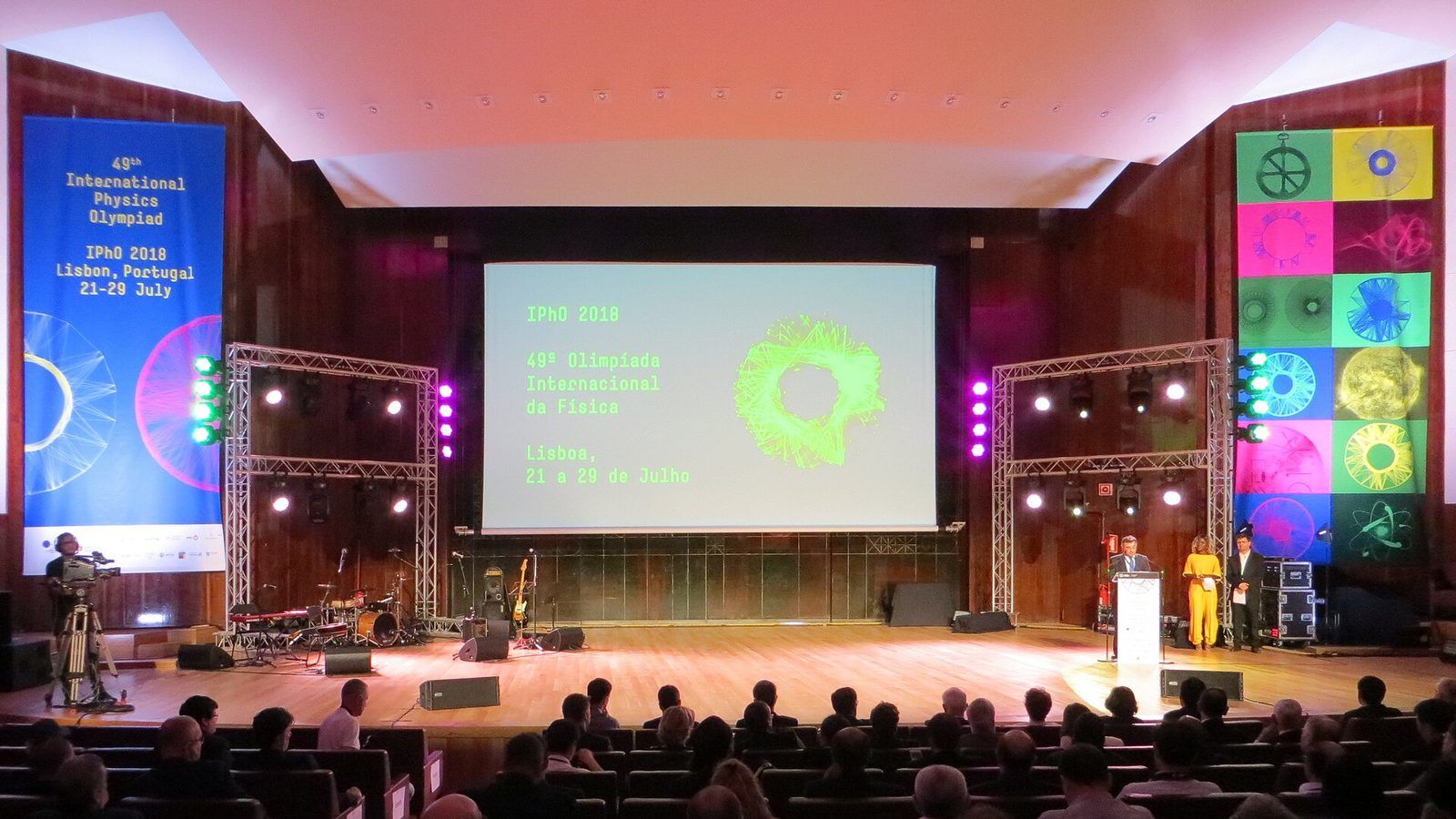
How to prepare for the relativity questions of the physics olympiad
The IPhO syllabus asks for special relativity in one paragraph and nothing from general relativity. Here is what that paragraph contains, the handful of formulas it needs, the habit of working in units of c, and where the free past problems are.
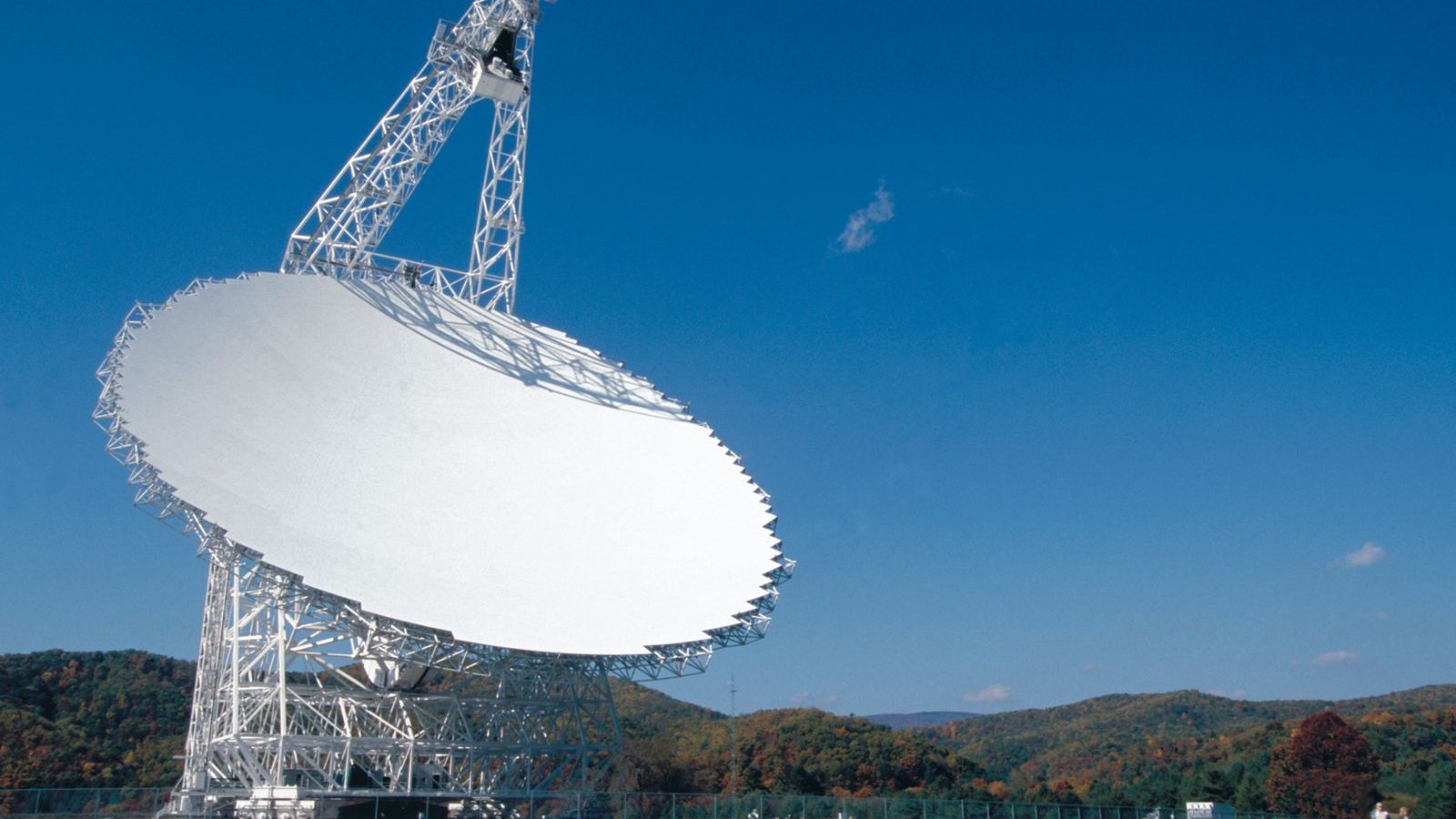
A galaxy-sized detector made of pulsars
LIGO's arms are 4 kilometres long. For gravitational waves with periods of years, the arms are the distances to dozens of pulsars across the Milky Way, and the detector is the pattern of tiny delays in their pulses. In June 2023 that pattern appeared.
The clearest gravitational wave yet
GW250114, recorded on 14 January 2025, is the same kind of event as the first detection of 2015, two black holes of about 33 solar masses, but three times louder. The extra clarity made two tests possible: Hawking's area theorem and the ringing of a Kerr black hole.
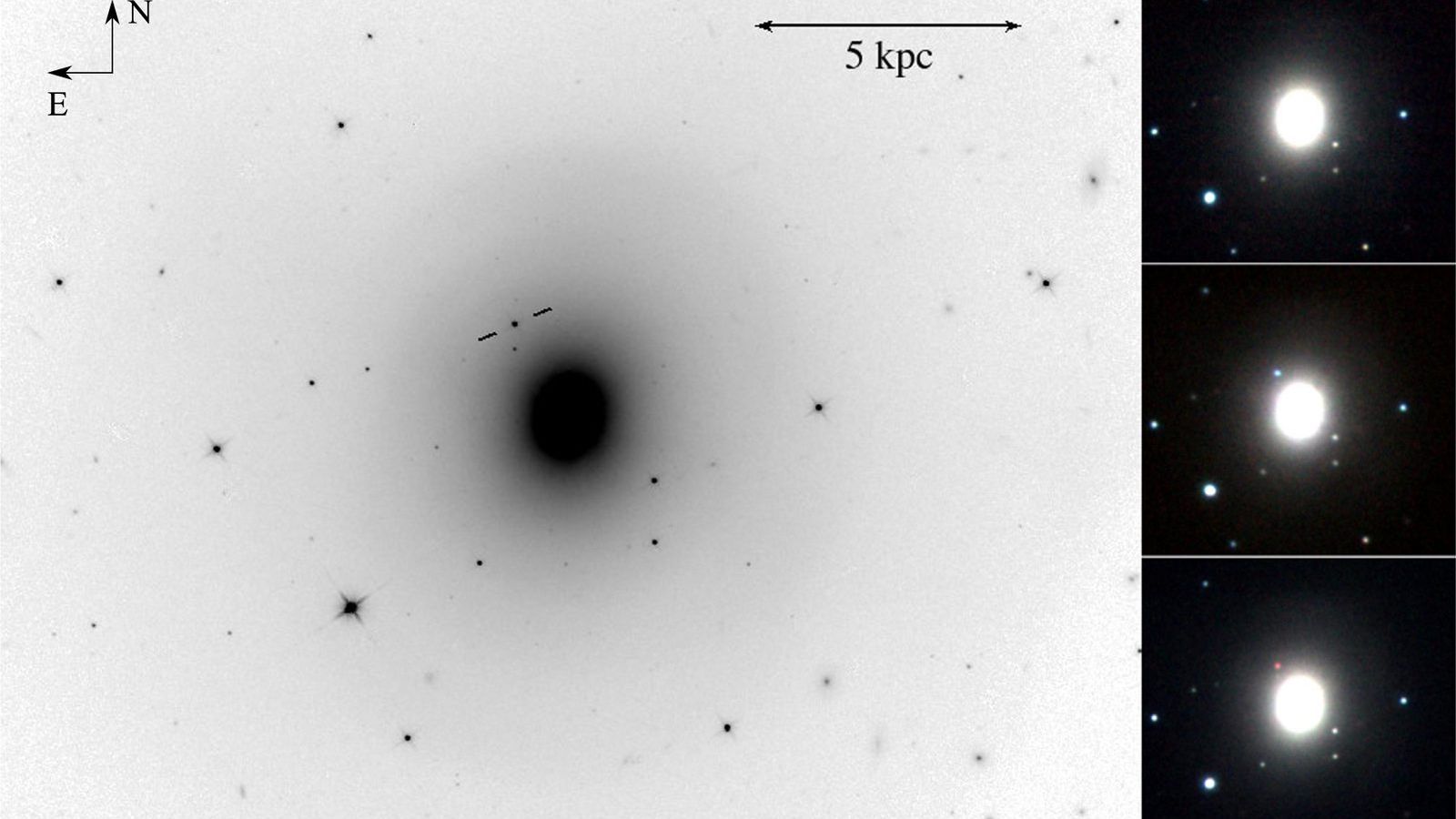
The 1.7 seconds that tied light to gravity
On 17 August 2017 two neutron stars merged 130 million light years away. The gravitational wave arrived first, the gamma rays 1.7 seconds later, and the glow that followed was the first time anyone watched gold being made.
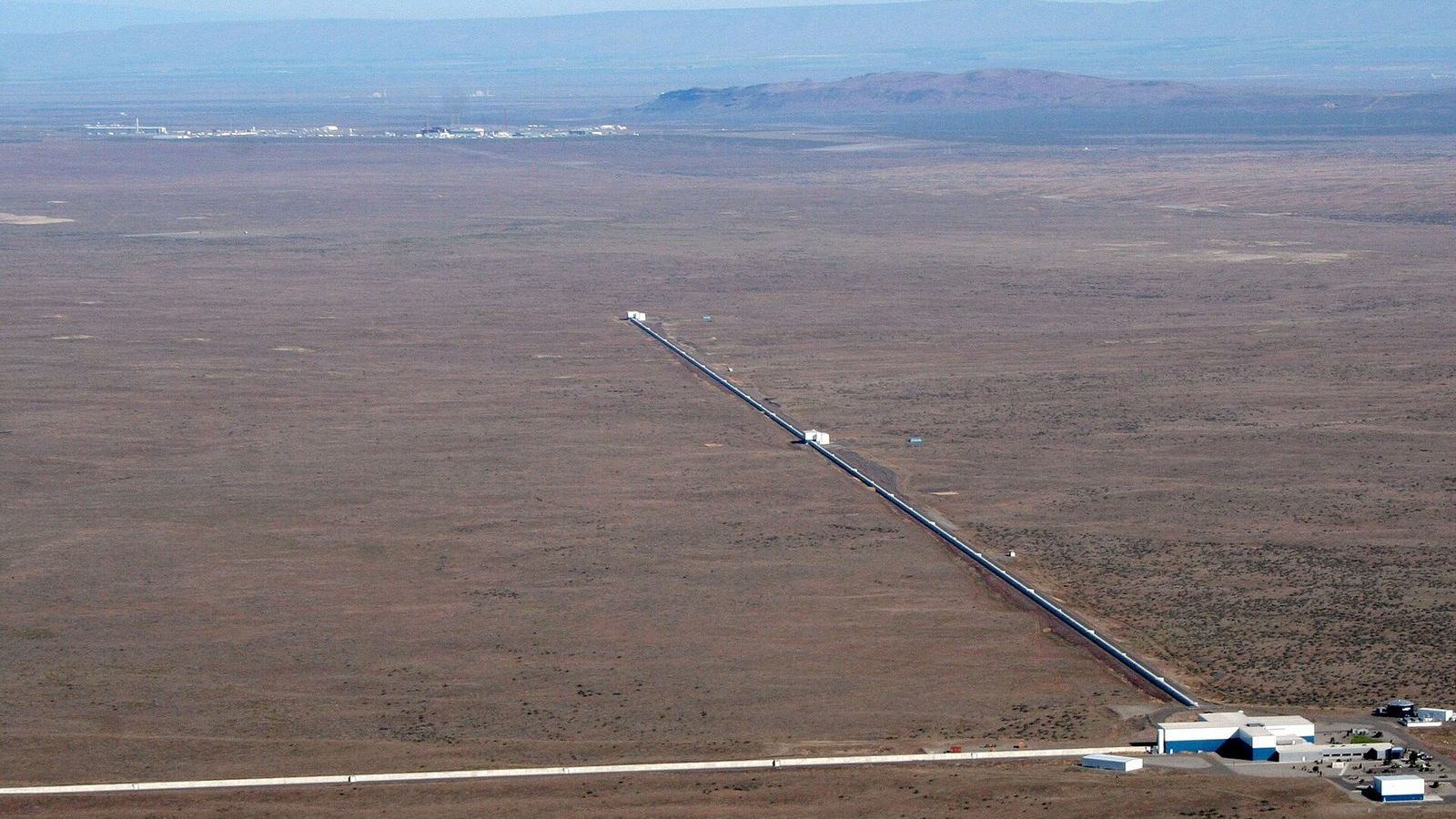
How LIGO measures a four-hundredth of a proton
A gravitational wave changes the length of LIGO's 4 kilometre arms by a few billionths of a billionth of a metre. The trick is an instrument Michelson built in 1887, light bounced 300 times, mirrors hung on four pendulums, and a lot of statistics.
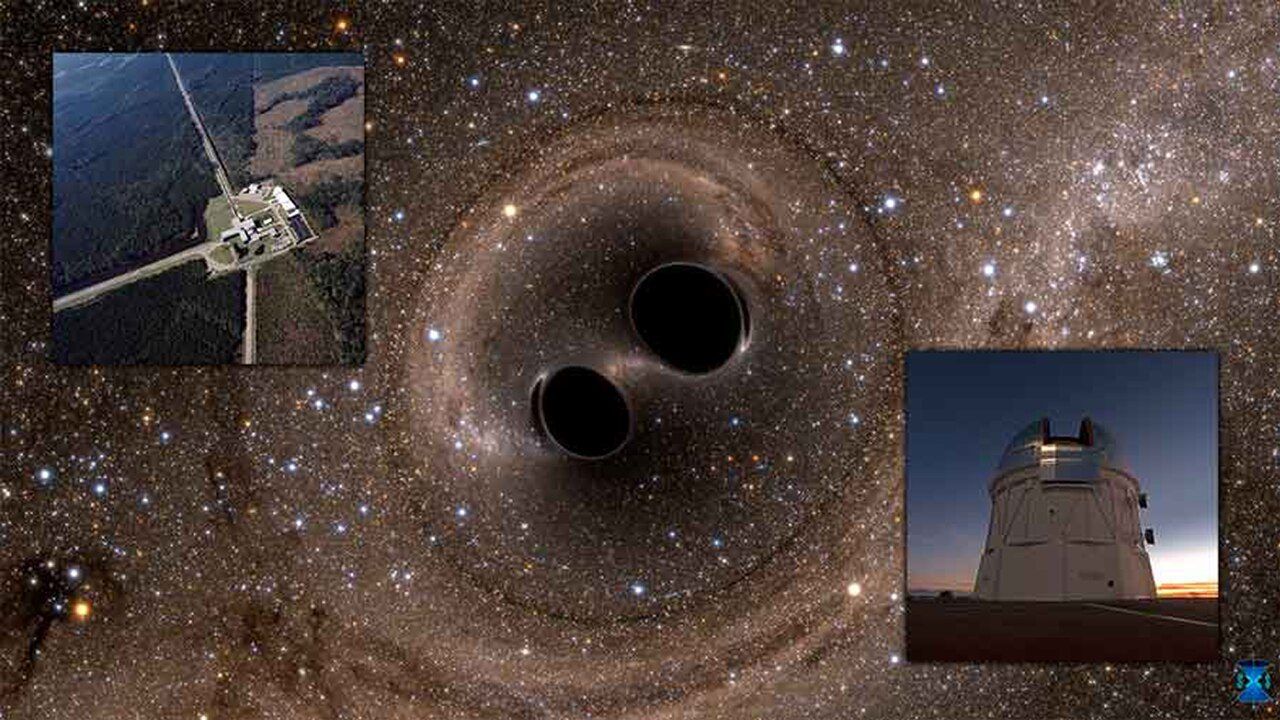
The sound of two black holes merging
The first gravitational wave ever recorded lasted a fifth of a second and rose in pitch from 35 to 250 hertz, notes a cello can play. Read line by line, that chirp gives the masses of two black holes, the energy they lost, and how far away they were.
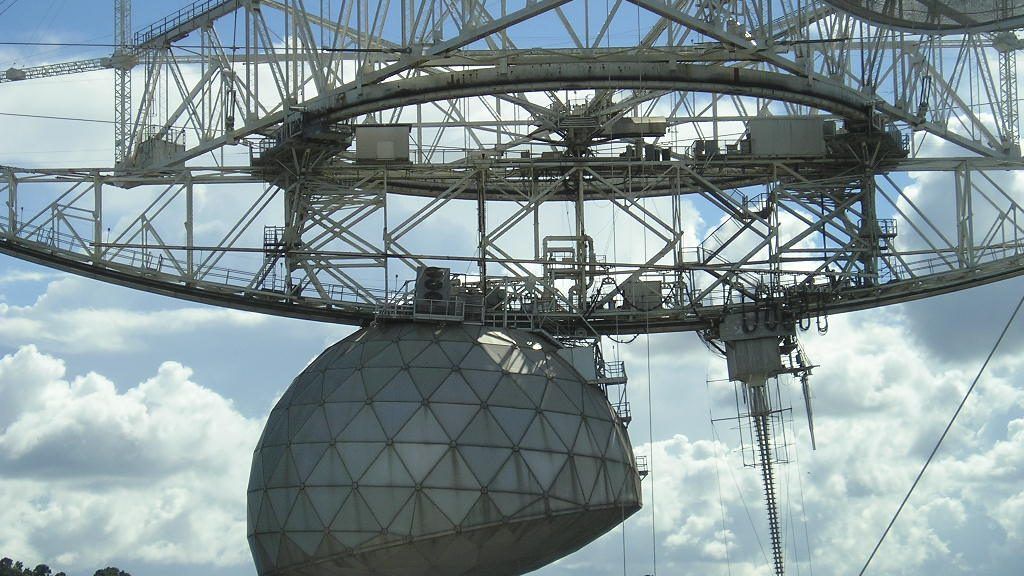
How we have known gravitational waves exist since 1974
Forty-one years before LIGO heard anything, a pulsar found at Arecibo in the summer of 1974 was already losing energy to gravitational waves at exactly the rate Einstein's formula predicts. Its orbit has been shrinking, on schedule, ever since.
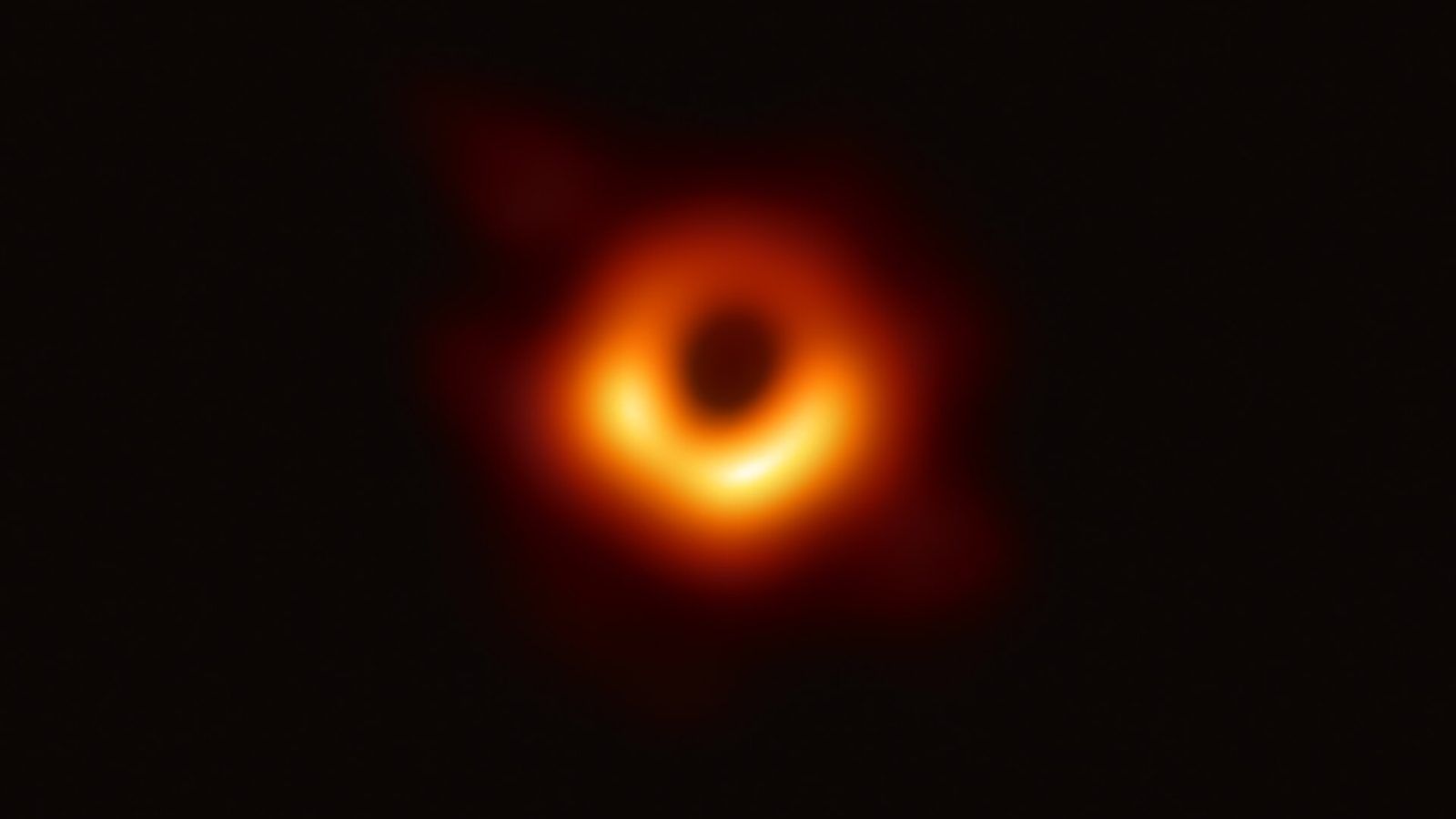
What the first black hole picture shows
The orange ring published on 10 April 2019 is 42 microarcseconds across, the size of a tennis ball on the Moon. Here is what the ring is, why there is a dark patch in the middle, and how eight radio telescopes on four continents took the picture.
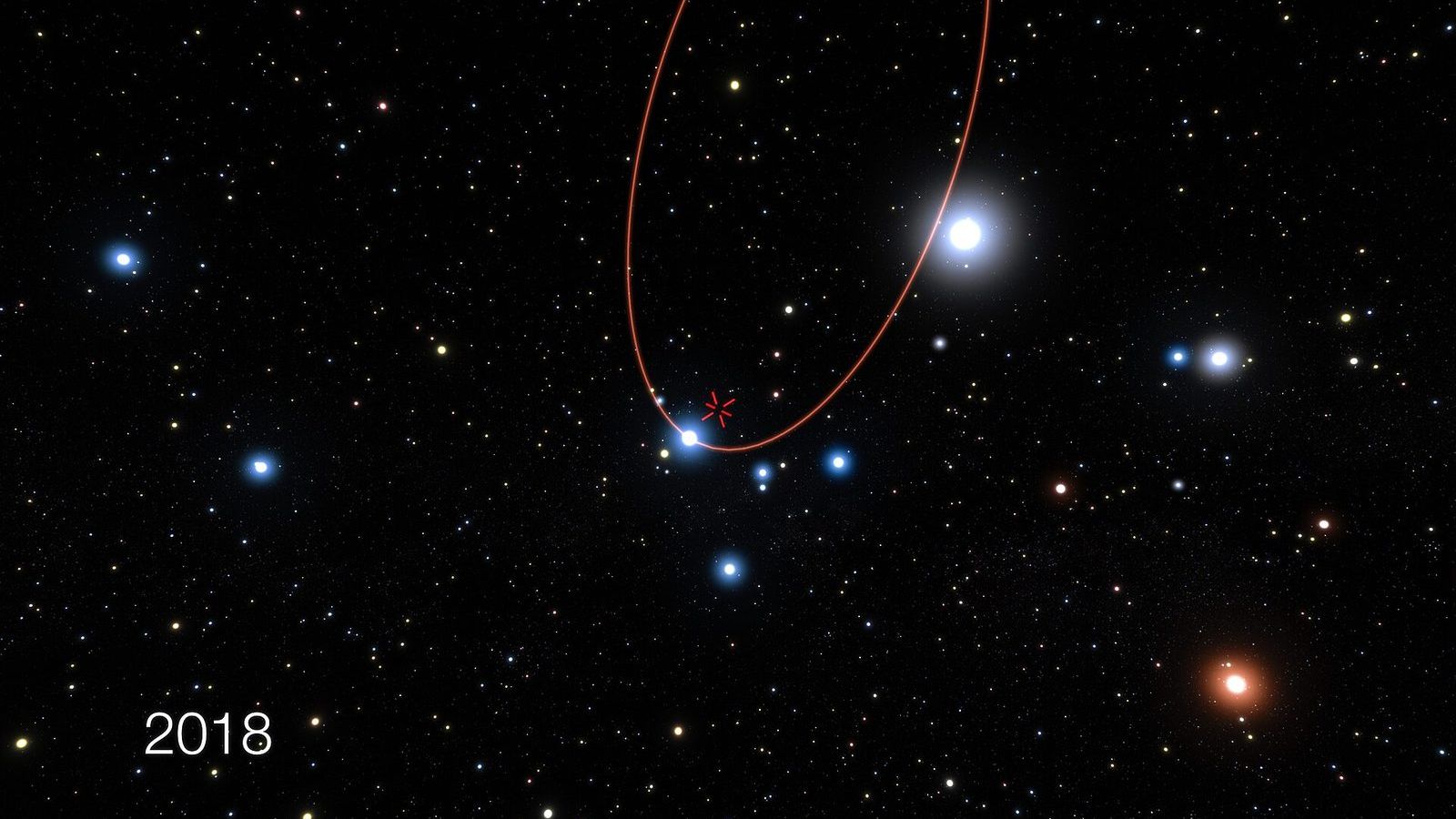
The star that orbits a black hole at 7,650 kilometres per second
The star S2 goes round the black hole at the centre of the Milky Way every 16 years. In May 2018 it passed within 120 astronomical units of it at 2.5 per cent of the speed of light, and its light came back redshifted exactly as general relativity said it would.