
The mathematics of spacetime
The tools behind the theory, explained for readers who meet them for the first time: spacetime diagrams, the invariant interval, hyperbolic functions and rapidity, the binomial approximation, vectors, and the first steps into tensors and curvature.
Articles
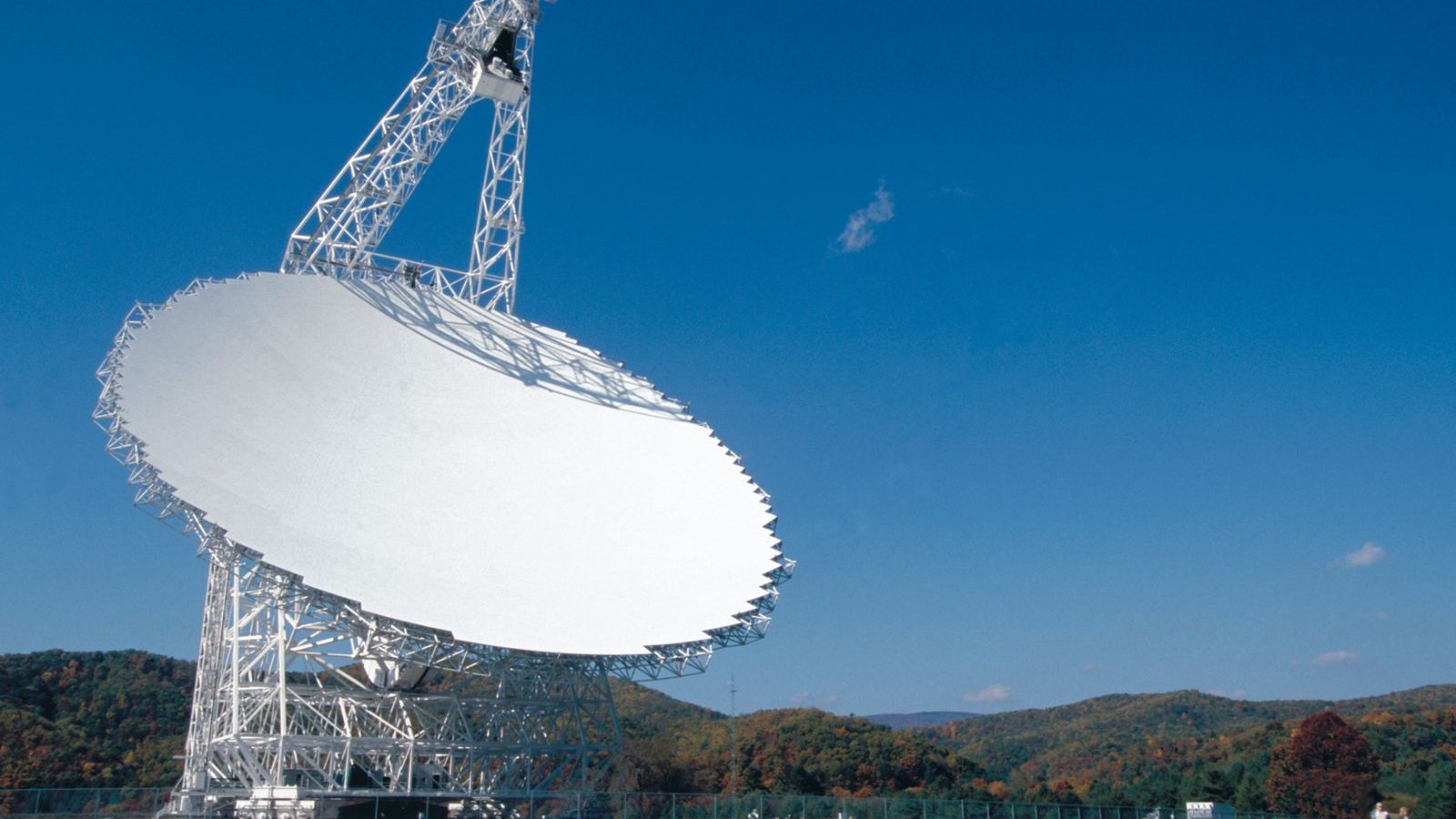
A galaxy-sized detector made of pulsars
LIGO's arms are 4 kilometres long. For gravitational waves with periods of years, the arms are the distances to dozens of pulsars across the Milky Way, and the detector is the pattern of tiny delays in their pulses. In June 2023 that pattern appeared.
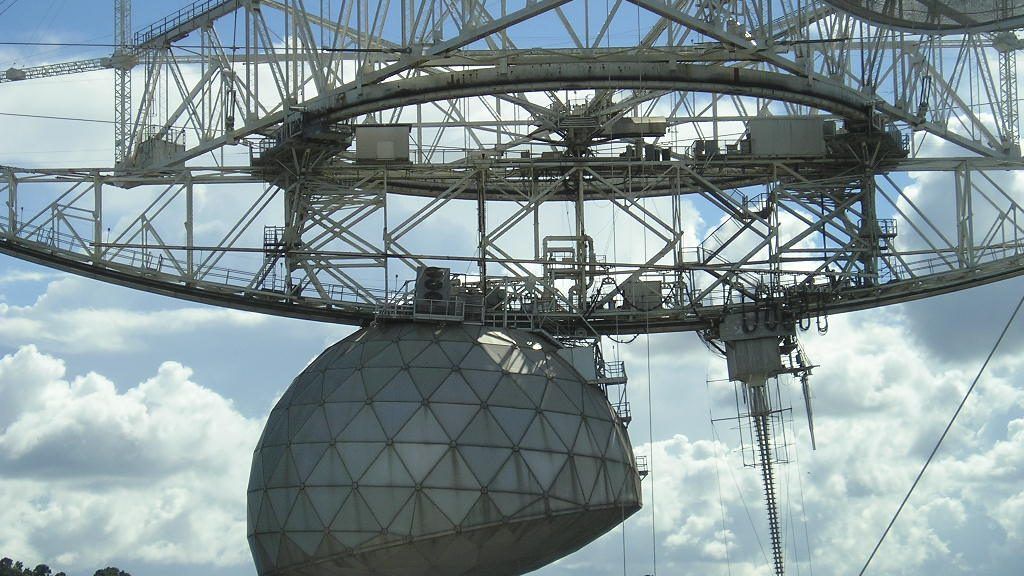
How we have known gravitational waves exist since 1974
Forty-one years before LIGO heard anything, a pulsar found at Arecibo in the summer of 1974 was already losing energy to gravitational waves at exactly the rate Einstein's formula predicts. Its orbit has been shrinking, on schedule, ever since.

Mercury's 43 arcseconds
In 1859 Le Verrier found that the orbit of Mercury turns a little faster than the pull of the other planets can explain. The excess, 43 arcseconds per century, was unexplained for 56 years, until the Schwarzschild metric gave exactly that number.

How Einstein found his equations in November 1915
On four Thursdays in November 1915 Einstein read four papers to the Prussian Academy, changed his field equations twice, computed the orbit of Mercury on 18 November, and wrote the final form on 25 November.
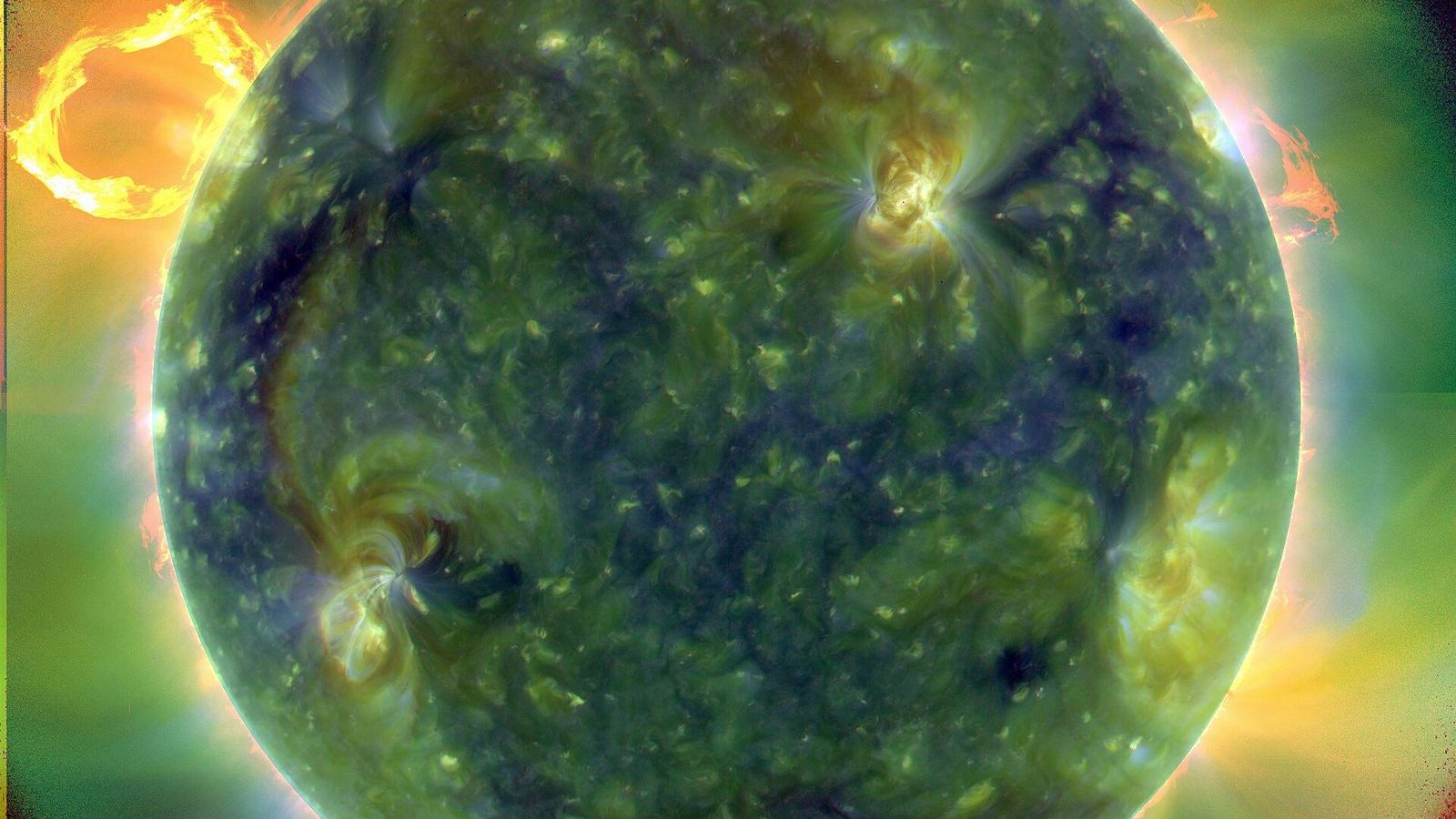
What E = mc² actually says
One gram of anything holds 90 trillion joules, the Sun loses four million tonnes a second, and a battery weighs more when charged. The equation says mass is a form of energy, and it does not say several things people think it says.

Can a 20 metre pole fit in a 10 metre barn?
At 0.866 c the pole is contracted to 10 metres and fits in the barn with both doors shut. From the pole, the barn is 5 metres long. Both are right, and the doors are the clue.

The twin paradox is not a paradox
One twin flies to a star six light years away at 0.6 c and comes back 16 years older. The other has aged 20 years. Both agree on the result, and the reason is the turnaround.

Why moving clocks run slow, with one triangle
A clock made of two mirrors and a pulse of light, one right-angled triangle, and Pythagoras give the Lorentz factor in five lines. The muons that reach the ground show that the clock is not a trick.
In the masterclass
Frames of Reference and the Physicist's Toolkit
Events, frames, graphs of motion, Newton's laws, and the scales of the subject
Spacetime Diagrams and the Invariant Interval
Minkowski's picture of relativity and the quantity every observer agrees on
Tensors, Metrics, and Geodesics
The language of general relativity, built on curved surfaces